
- Collection type
- Object
- Description
- Black cotton jacket with triangular sleeves featuring bands of indigo dyed cotton and embroidery refashioned from sections of a traditional Al Khalaga (Salt dress).
- Long description
- Black cotton jacket with triangular sleeves made from panels of embroidery and indigo dyed cotton originally from a Khalaga (Salt dress). The jacket is short, unlined and shaped with two bust darts at the front and two waist darts at the back. There is a round collar and an opening with twelve plastic buttons and cotton button loops at the centre front. There is a metal hook and eye fastening inside the front opening at the collar. The collar, opening and hem are edged with a thin band of embroidery in pink, purple, yellow and turquoise silk thread using fishbone and back-stitch. The triangular sleeves are constructed from the fabric of a Khalaga (Salt dress). Each sleeve features a black shoulder and two black bands which alternate with three indigo dyed panels with the edges decorated in pink, yellow, purple, blue and turquoise cross-stitch embroidery using silk thread. Jordanian thobes feature an embroidery technique called al-roqma, and one of the stitches used is unique to Salt. The opening of each sleeve is finished with a wide band of cross-stitch embroidery in pink, yellow, blue, orange, green and purple silk thread on a black cotton ground fabric. The sleeves are fully lined with black cotton. The Khalaga (Salt dress) was refashioned into a dress in 1974 by Alexander Dabbour.
- Geographical reference
- Cultural groups
- Arab
- Date / Period
- by 2025
- Date collected
- by 1974
- Acquisition information
- Donated: 14 March 2025
- Materials and processes
- Material Cotton Seed Fibre Textile Plant, Material Cotton Seed Fibre Yarn Plant, Material Plastic Synthetic, Material Pigment, Material Silk Yarn Animal, Process Stitched, Process Embroidered, Process Woven, Material Steel Metal, Process Dyed, Process Indigo Dyed
- Dimensions
- Length 475 mm, Width: max 1465 mm, Width: max 370 mm, Width: max 380 mm
- Object numbers
- Accession number: 2025.5.4
- Research and responses
'Dress and jacket made in 1974 by Alexander Dabbour, using embroidered indigo-dyed fabric insets, a featured of the renowned voluminous dresses of the historic Jordanian city Salt. (Indigo was widely produced in the Jordan Valley.) One of the stitches is unique to Salt.'
'In 1974 I was catapulted into a new life. Having been to India on the ‘hippy trail’ after school, my dream on graduation was to return there or further East. However, Fate intervened and led me instead to work in Jordan just after the 1973 Arab-Israeli war. By then the local population had been hugely swollen since 1948 by refugees from Palestine. Ignorant of Middle Eastern history, politics and culture, I soon caught up. My first trip from Amman to beautiful Jerusalem was in a bus with refugees on their annual visit to relatives in the Occupied West Bank. They shared food and stories, and many wore traditional Palestinian dresses adorned with exquisite embroidery.
Soon I was rummaging in antique shops in Amman’s souqs and, in need of evening clothes, bought old dresses, often of coarse or damaged base fabric but with beautiful embroidered panels to reuse, as was the tradition. In collaboration with Alexandra Dabbour, a Palestinian dressmaker, I designed new dresses using original panels and based on classic local styles, to wear to evening functions while others were in Dior. These unique creations hold precious work from a culture under increasing threat. In light of Palestine’s current tragedies, memories of its people, heritage and fabulous landscapes fill me with warmth, gratitude and a sadness beyond words.'
'I didn’t donate it with the original collection because at the time I thought you would only wish to have unaltered dresses. But with so much recent extra destruction, I then offered you a few altered ones as the embroidery is so stunning. It is so wonderful for me to see them being used to understand, study and spread the word about the fantastic textile skills of the region, notably Palestinian, Jordanian, Syrian, Egyptian and Yemeni. When we lived in Amman in the 1970s I used to buy dresses with damaged or stained background fabric (usually black sateen) and design new garments (I didn’t want to buy Western fashion) with a refugee Palestinian dressmaker called Alexander Dabbour. We would base them on traditional styles - wide sleeves etc. I think this dress and jacket was created from two dresses from Salt that I probably bought in the souk in Amman. What beauty, what a privilege to work and travel in those stunning countries when we did, what tiny joy to have unwittingly preserved a piece of culture that all can draw inspiration from.' [Jenny Balfour-Paul 10/08/2025]
Search terms: Clothing Textile, Textile, Clothing, Jacket
Further items to explore
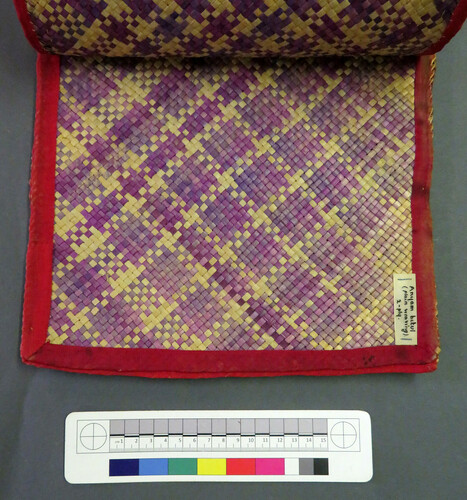 1906.30.8Square of mat-work showing purple plain woven plaiting technique. [BS [OPS Move] 22/6/2017]1906.30.8
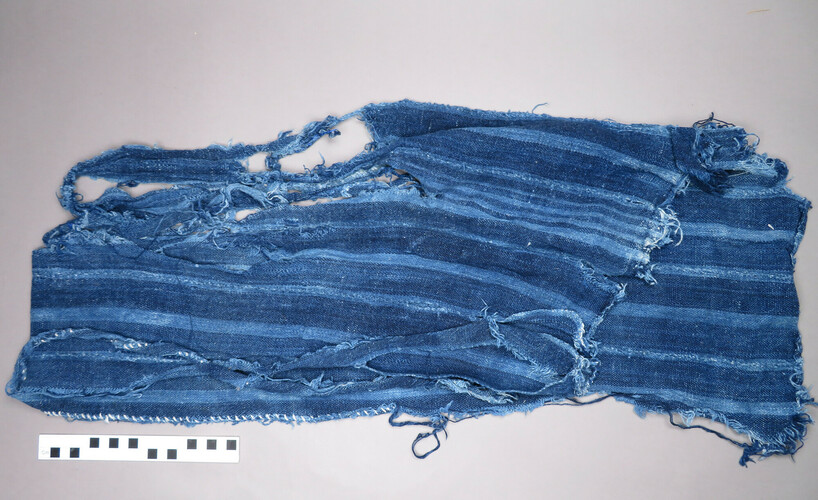 2018.37.242.10One of 10 samples of indigo dyed cloth. For the others in the set see 2018.37.242.1 - 2018.37.242.9.2018.37.242.10
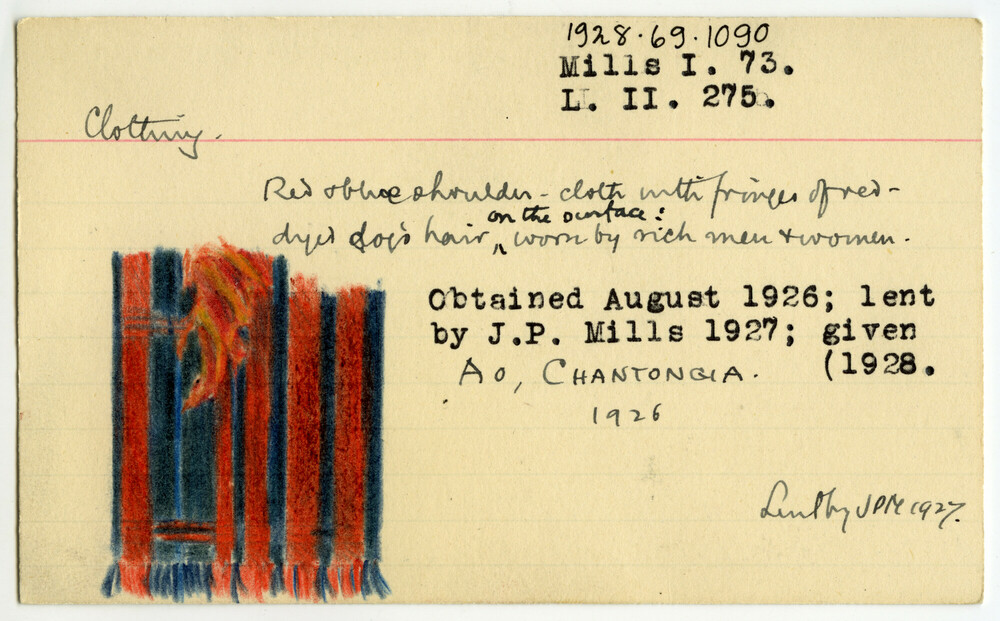 1928.69.1090Cloth with orange and black bands and fringes of dog hair, worn by rich men and women. [ZM 11/5/2005]1928.69.1090
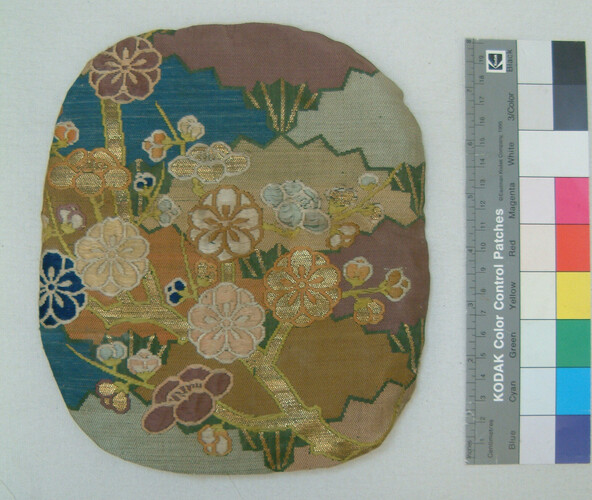 1884.114.641 of 51 padded fabric covers for Japanese Noh Masks [JN 3/12/2001]1884.114.64
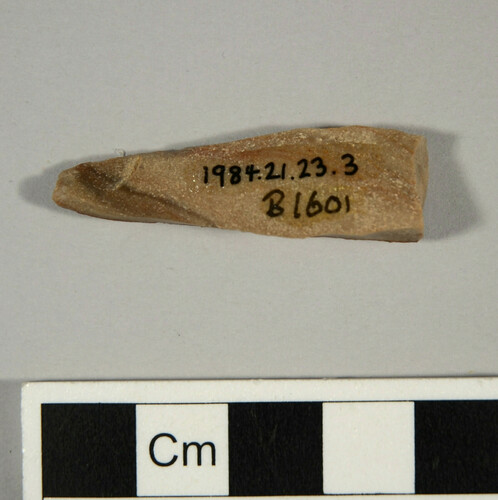 1984.21.23.3Flint burin, of light brown coloured stone. [MJD (Verve) 30/3/2016]1984.21.23.3
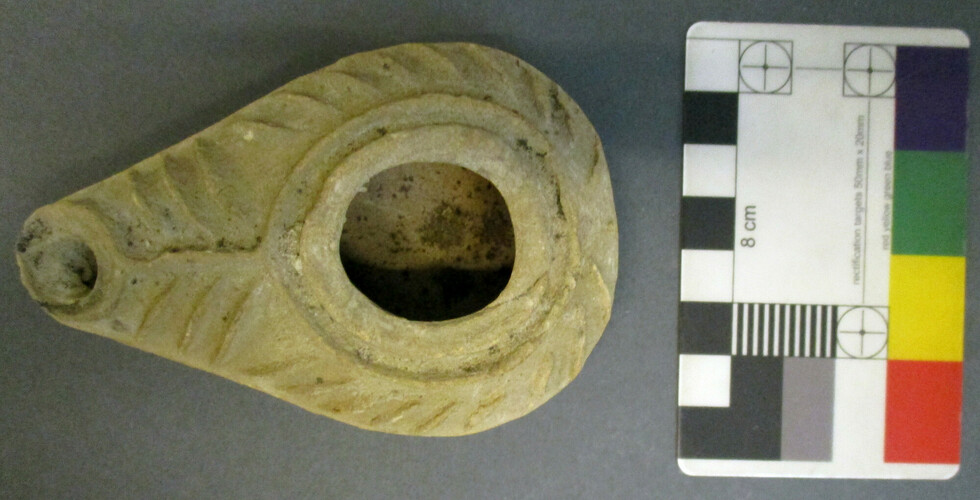 1932.88.346Pottery lamp of buff ware. Pear or tear-drop shaped lamp with flat, round foot and shallow expanding sides to the shoulder. [MOBB [OPS move] 8/11/2016]1932.88.346
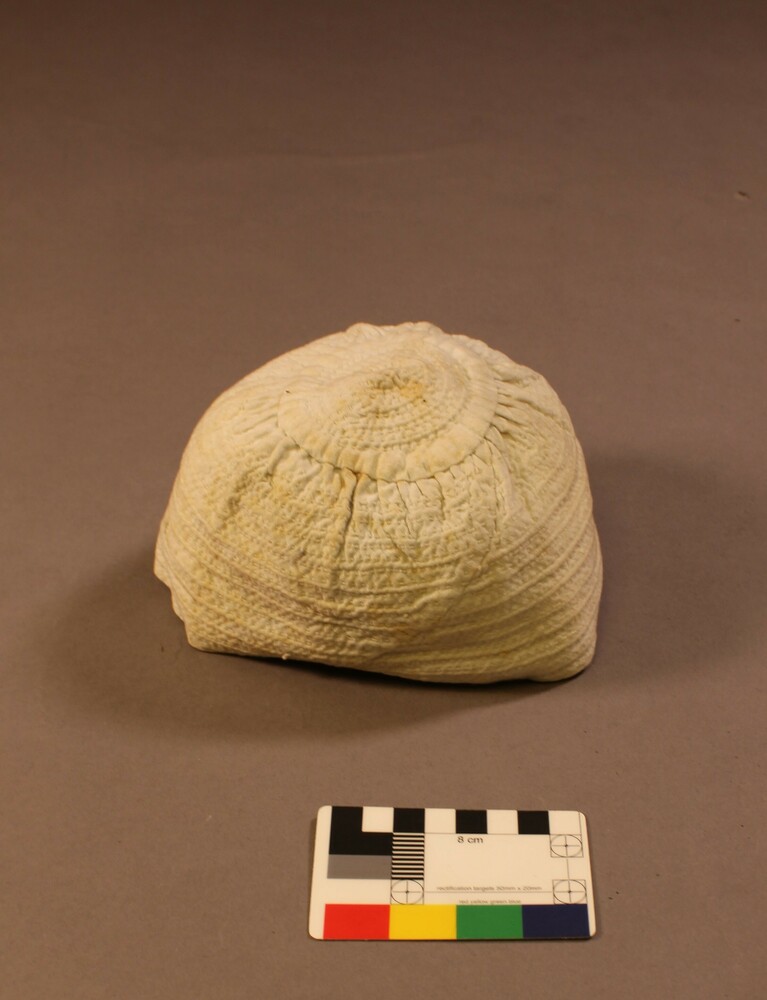 1984.7.5White cotton cloth skull-cap decorated with rows of piping and stitching.1984.7.5
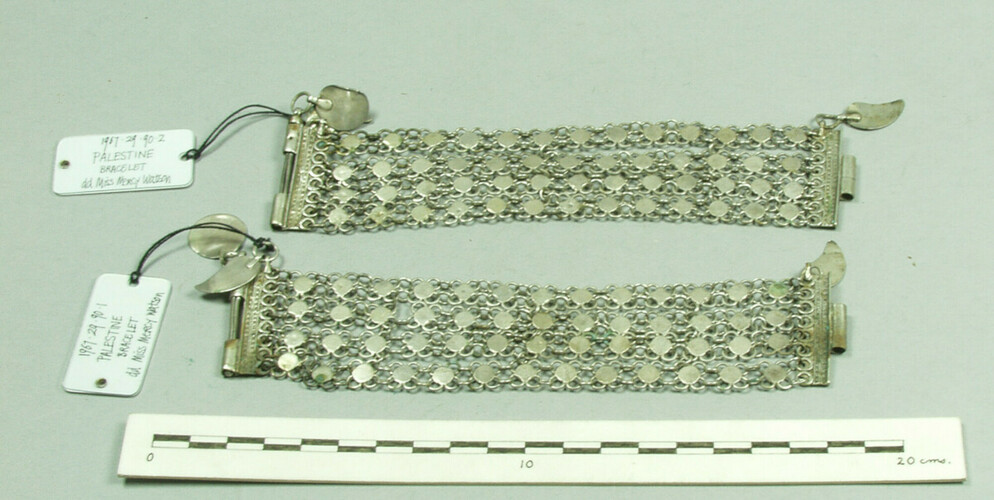 1967.29.90.1Silver bracelet made of 4 strands of metal links, with hinge clasp and three flat pendants. [El.B 'DCF 2004-2006 What's Upstairs?' 28/10/2005]1967.29.90.1