
- Collection type
- Object
- Description
- Sword with curved blade and moulded cast iron handle with cross-guard, pommel disc and narrow knuckle-guard. [El.B 04/09/2007]
- Geographical reference
- Date / Period
- Date made: On or before 1878
- Date collected
- ?On or before 1878
- Acquisition information
- Transferred: 04/03/1886
- Materials and processes
- Material Iron Metal, Process Moulded, Process Cast, Process Forged (Metal), Process Incised
- Dimensions
- Length: max 800 mm
- Object numbers
- Accession number: 1886.1.191
- Research and responses
The talwar has one full or true edge on the convex side, and a ‘false’ or partial edge on the distal third of the back edge. Comparison of this blade form with European cavalry sabres reveals how closely European cavalry modelled their weapons on Indian sword forms. The distinctively Indo-Muslim talwar hilt form with knuckle-guard is known as Delhishahi, although it does not indicate a Mogul origin. The talwar was the most widely and numerously distributed Indian weapon form (Egerton, 1896: 104), due to the widespread influence of Rajput Maharajas. Talwar were historically conceived by Rajput men as the embodiment of their honour, commitment and agency; Egerton (1896: 105-6) remarks on two of the commonest Rajput oaths – ya sil ka an (‘by this weapon’) and dhal talwar ka an (‘by my talwar and shield’). Talwar were an integral part of the weaponry displays in Rajput rulers’ Silleh-Kana armouries. Research Conducted for DCF Cutting Edge 2006/2007 [AM].
Further items to explore
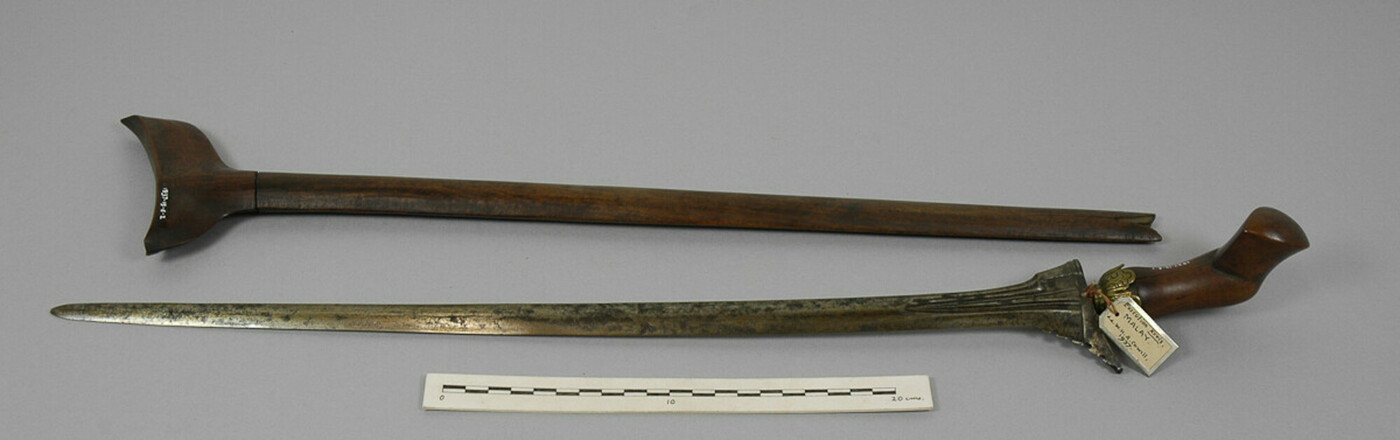 1937.15.6.1Kris with long thin straight blade and plain wooden handle. Wooden sheath with crosspiece, chape missing. [El.B 7/3/2007]1937.15.6.1
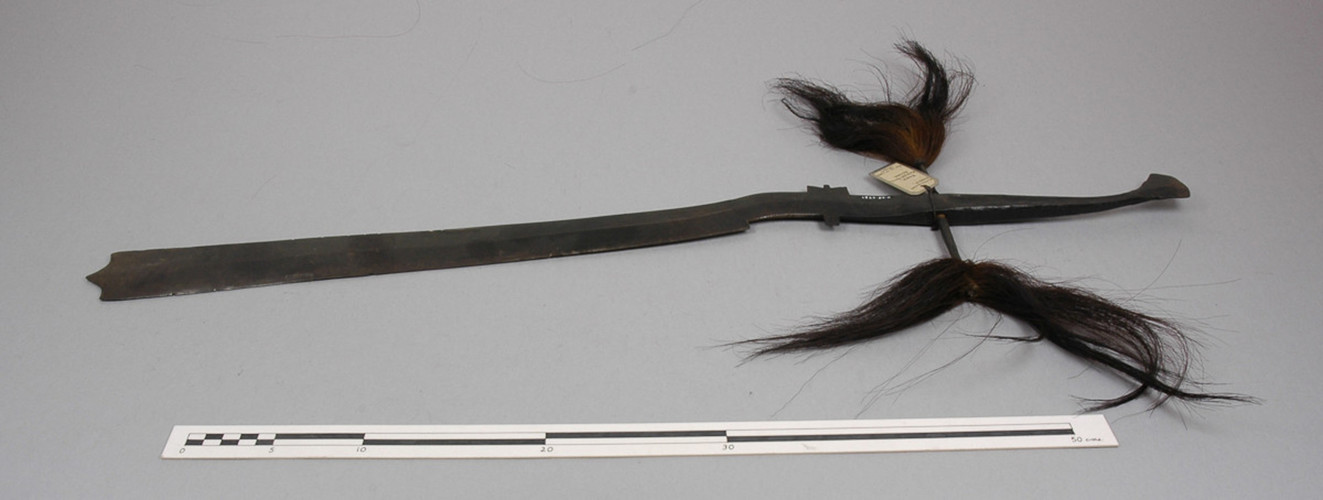 1929.89.10Dao or sword, slightly s-shaped, with blade and handle in one piece and a cross-bar decorated with hair tufts. [El.B 06/07/2007]1929.89.10
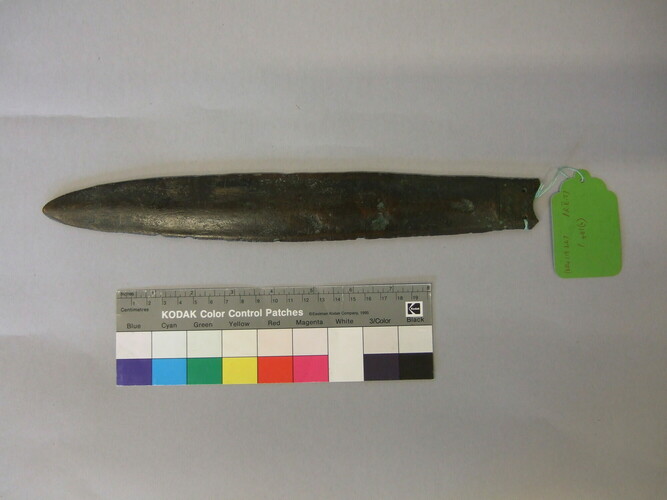 1884.119.267Long narrow elliptical bronze dagger blade. There are two rivet holes at one end of the object.1884.119.267
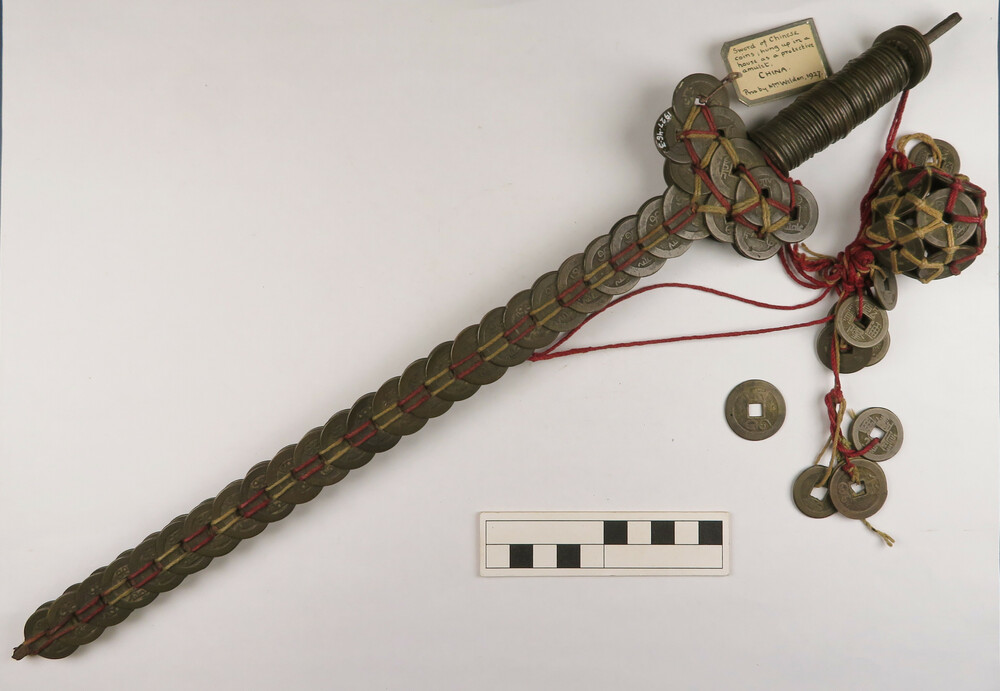 1927.46.3Sword made from Chinese coins, hung in the house as an amulet against disease.1927.46.3
 1892.24.258Metal finger ring [L.Ph 'DCF 2004-2006 What's Upstairs?' 22/6/2005]1892.24.258
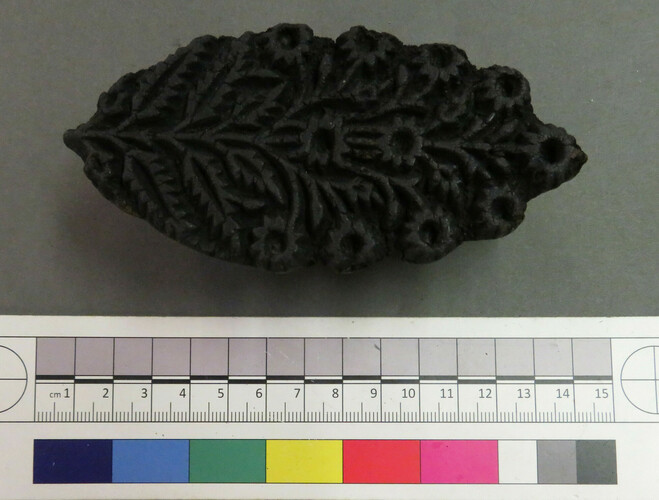 1991.17.12Textile printing block. Carved with a motif of flowered tree, with central stem, ?marigolds and radiating leaves. Slightly tapers on the underside to form a hand grip. [EH [OPS Move] 14/7/2017]1991.17.12
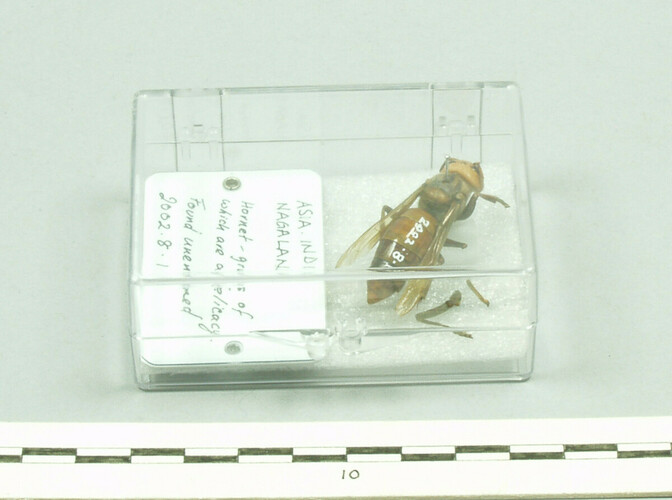 2002.8.1Hornet (Vespa magnifera). [El.B 'DCF 2004-2006 What's Upstairs?' 23/5/2005]2002.8.1
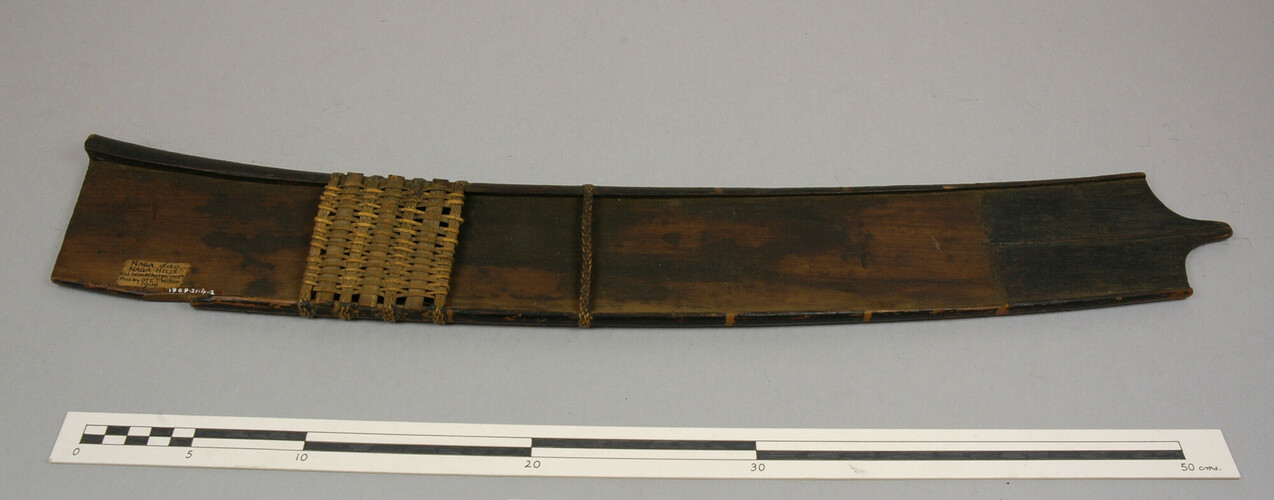 1909.21.4.2Slightly curved, flat wooden dao sheath with pointed end, open on one side, bound with 5 rings of twill plaited cane, 4 of which are woven together. For dao 1909.21.4.1. [LM 18/07/2007]1909.21.4.2