
- Collection type
- Object
- Description
- Conglomerate portion of a "vitrified fort", with dark grey porous bands and a pale grey smooth section. [CW [OPS Move] 29/6/2017]
- Geographical reference
- Scotland Argyll And Bute Ardchattan And Muckairn Dun Mac Sniachan Beregonium
- Cultural groups
- English
- Date
- Date collected
- By 1900
- Acquisition information
- Donated: 1900
- Materials and processes
- Material Quartz Stone, Material Mica Stone, Material Mineral, Material Wood Plant
- Dimensions
- Depth: max 24 mm, Width: max 55 mm, Length: max 69 mm
- Object numbers
- Accession number: 1900.18.17
- Research and responses
This object is likely to have been recovered from the 'vitrified fort' of Dun Mac Sniachan [NM 9035 3810], also known as Dun Mac Uisneachan or Dunmacsniachan, located in the parish of Ardchattan And Muckairn. The site is described on the Royal Commission on the Ancient and Historical Monuments of Scotland [RCAHMS] archaeological monuments database [Canmore] as lying "on a steep-sided, isolated ridge lying between the village of Benderloch and the NE shore of Ardmucknish Bay". At the site there "are the remains of a series of defensive works comprising two successive forts and a dun". The forts and dun are recorded under site no. NM93NW 2 and Canmore ID no. 23234. The record can be accessed online at http://canmore.rcahms.gov.uk. [MN 09/07/2009]
Beregonium is a 'Pictish city'. The RCAHMS records that "The Pictish city of Beregonium is said to have been situated between Dun Mac Sniachan and Dun Bhaile an Righe...The RCAHMS states that the spurious name 'Beregonium', a mis-reading of Ptolemy's 'Rerigonium', was mistakenly applied by Hector Boece in his 'Scotorum Historiae' ". For more details see Canmore ID no. 23247. The record can be accessed online at http://canmore.rcahms.gov.uk. [MN 09/07/2009]
Search terms: Dwelling, Specimen, Building Part
Further items to explore
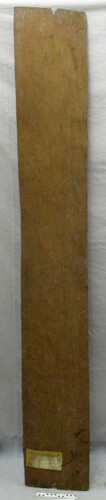 1942.13.1689Carved wooden panel. [RH [OPS Move] 13/7/2017]1942.13.1689
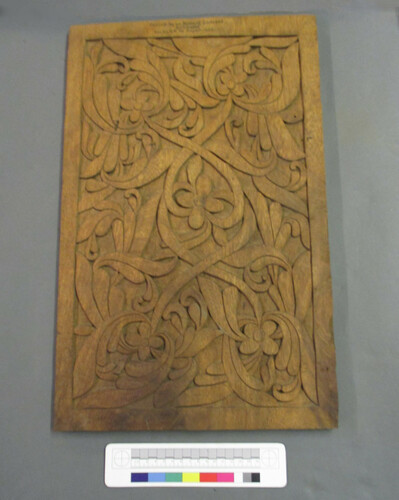 1923.86.503Carved panel featuring naturalistic foliate and floral interlaced design with plain border. [BS [OPS Move] 10/7/2017]1923.86.503
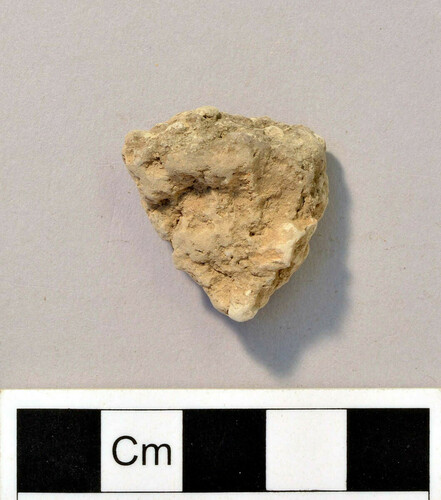 1884.137.4.65Daub fragment1884.137.4.65
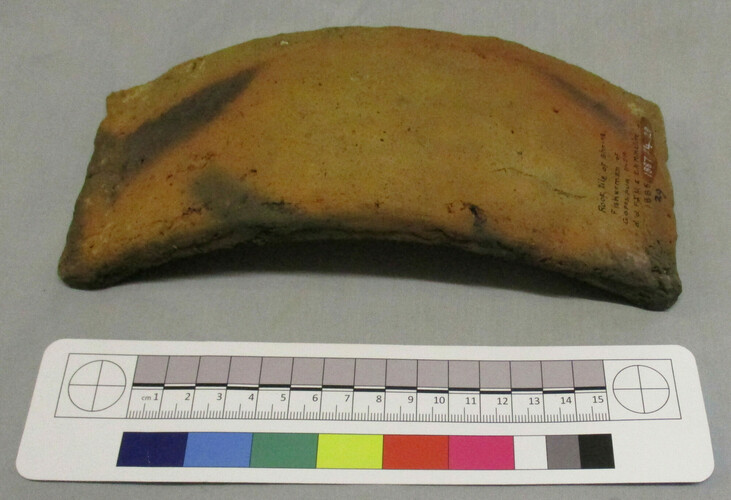 1887.24.29Red ware pottery tile from a shrine. Rectangular in shape with a curve through the centre, making the item semi-circular in shape. Some patches of blackening on the sides. [ASh [OPS move] 16/5/2016]1887.24.29
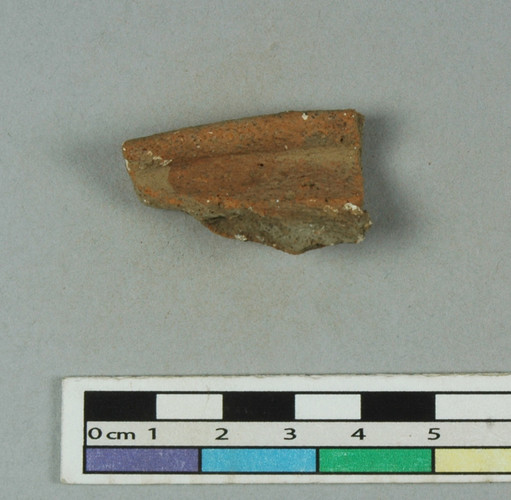 1884.138.5.104Ceramic rim sherd1884.138.5.104
 1986.32.1.2White metal mantle holder for use with brass oil lamp [1986.32.1 .1]. (No mantle was found with the object.) [MOBB [OPS move] 20/6/2017]1986.32.1.2
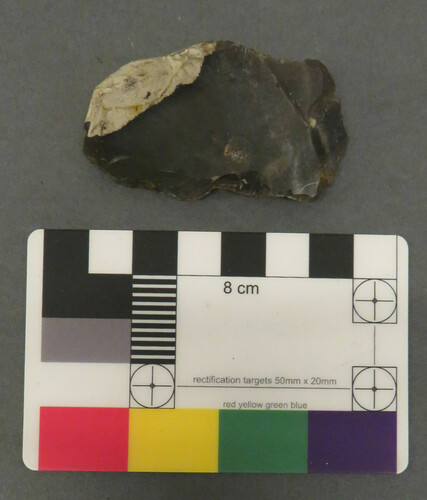 1938.35.593.1Dark grey flint with white accretion. For associated fire-steel see [1938.35.593 .2] [EH [OPS move] 6/9/2017]1938.35.593.1
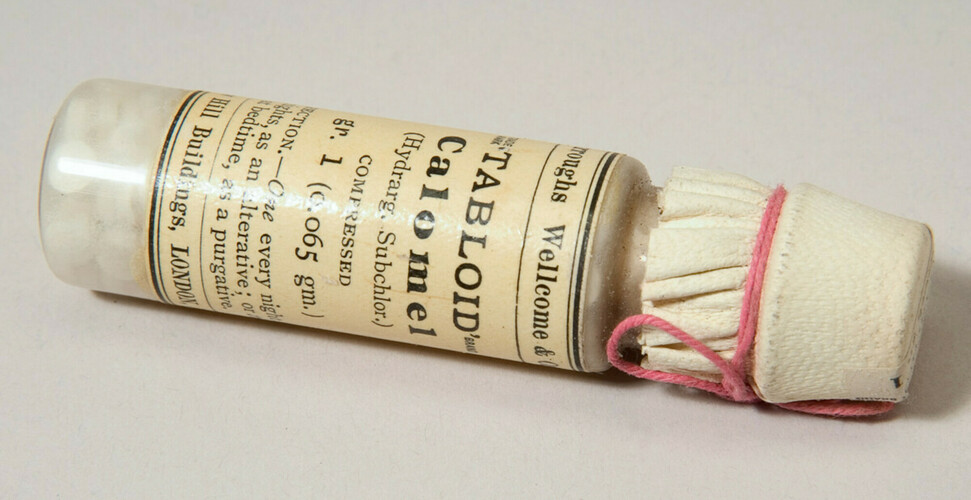 2002.91.43.19Glass 'Soloid' brand medicine bottle containing tablets of 'Calomel', wrapped in paper, then card, and the paper again. [JP 27/11/2003]2002.91.43.19