
- Collection type
- Object
- Description
- Miniature cowrie shell imitation made of buff faience. [N.B. 'DCF 2004-2006 What's Upstairs?' 1/8/2005]
- Geographical reference
- Nubia Dongola Sanam
- Cultural groups
- Nubian
- Date / Period
- Date made: 700-500 BC
- Date collected
- 1913
- Acquisition information
- Donated: 1921
- Materials and processes
- Material Faience Pottery, Material Cowrie Shell
- Dimensions
- Length: max 6 mm
- Object numbers
- Accession number: 1921.75.32 Other numbers: 1617
- Research and responses
'The cowrie shell was believed to have amuletic significance because of its resemblance to the female genitalia, so when beads in its shape formed an element of a woman's girdle they were in exactly the right place to ward off evil influences from the relevant bodily part of the wearer, especially if she were pregnant'. Carol Andrews 1994 Amulets of Ancient Egypt. p 42. [LM 8/2/2000]
Further items to explore
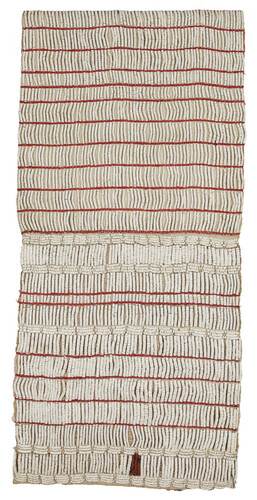 1891.36.23Cloth covered with white and red shell beads; used as money. [CW 24 3 98]1891.36.23
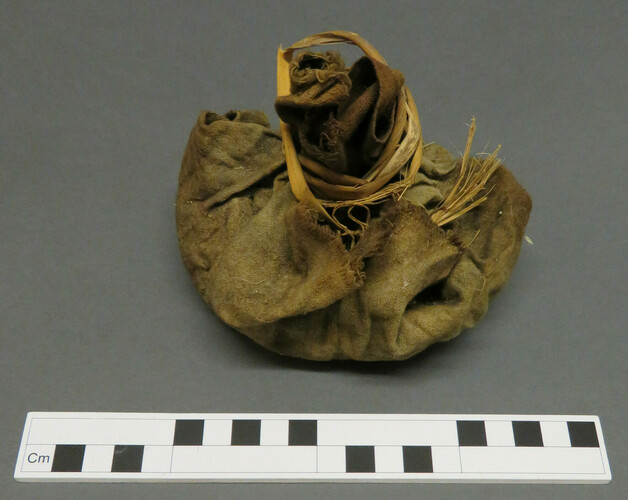 1921.9.154Canvas containing shells, seeds, etc. Part of rain maker's outfit. [ASh [OPS move] 15/5/2017]1921.9.154
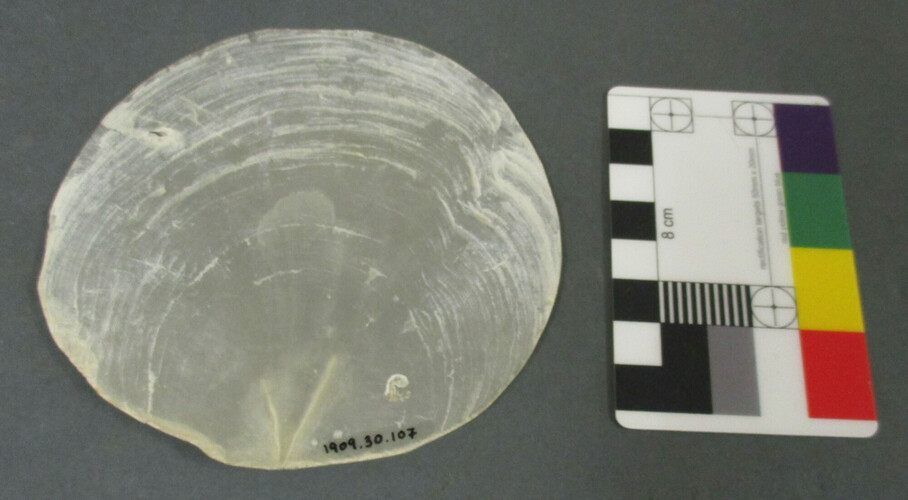 1909.30.107Pearl shell for windows. The shell is semi-transparent, one side is pearlescent the other is naturally ridged. The shell is circular and flat. [AB [OPS Move] 18/5/2017]1909.30.107
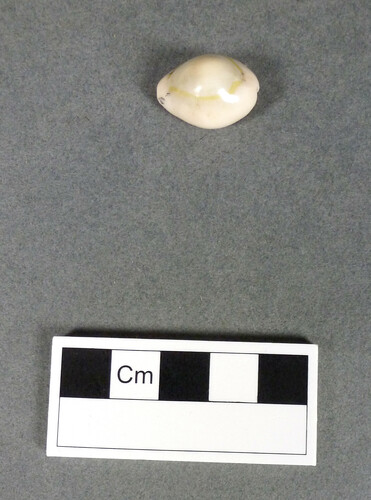 2009.1.2.2Cowrie shell. Part of the contents of a bag of divination accessories. See 2009.1.1 for the bag. [MdeA 24/02/2009]2009.1.2.2
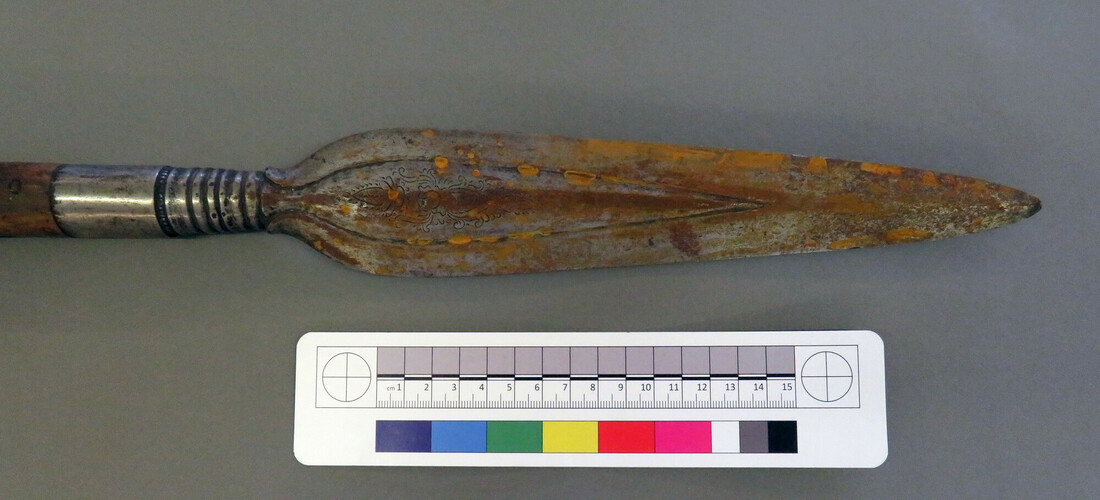 1907.72.52Spear, with a steel blade and a short wooden staff. [ASh [OPS move] 7/6/2018]1907.72.52
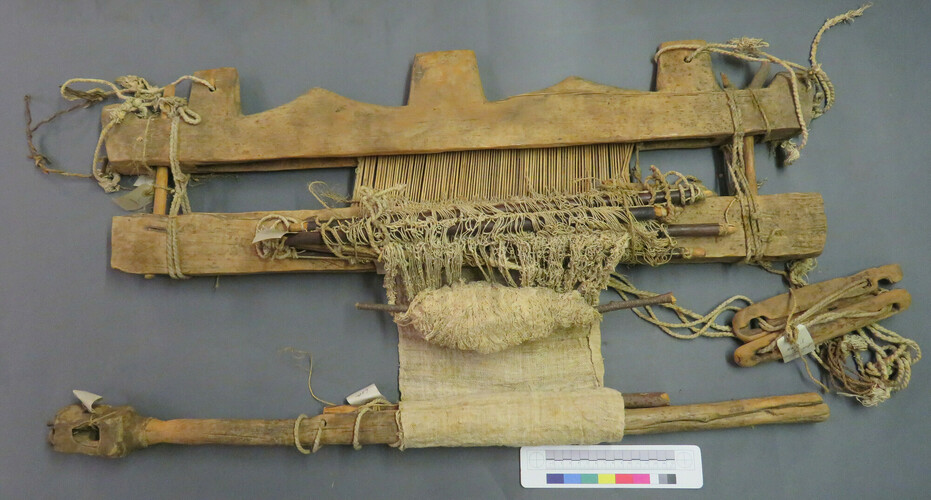 1941.4.18.7Part of a loom, consisting of warps, warp sticks, cloth roller, dent, two double heddles, heddle balances, and heddle shift pedals. For associated spinning and weaving apparatus see [1941.4.18 .1 - .24] [EH [OPS Move] 15/5/2017]1941.4.18.7
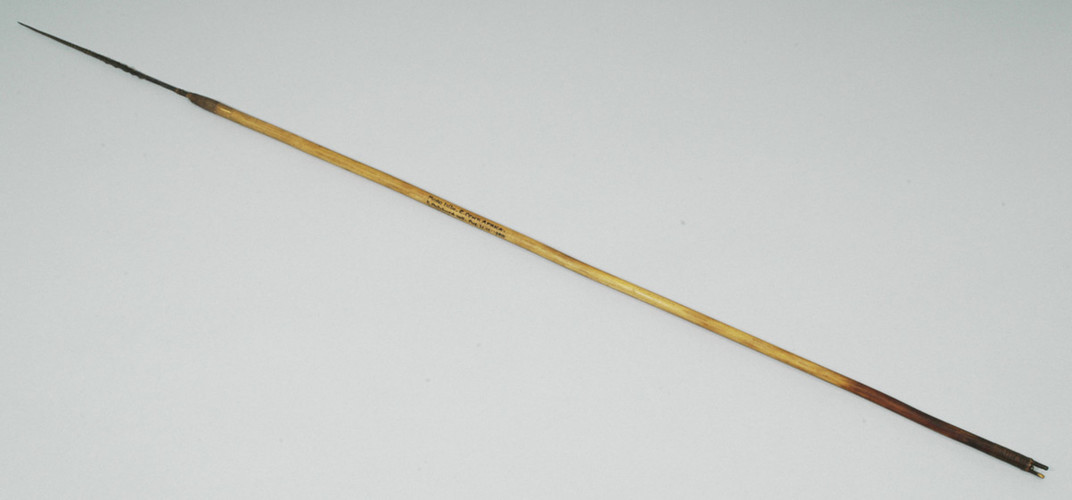 1930.86.19.12Arrow with narrow barbed iron point set into a wooden shaft with bound and nocked end [RTS 24/5/2005].1930.86.19.12
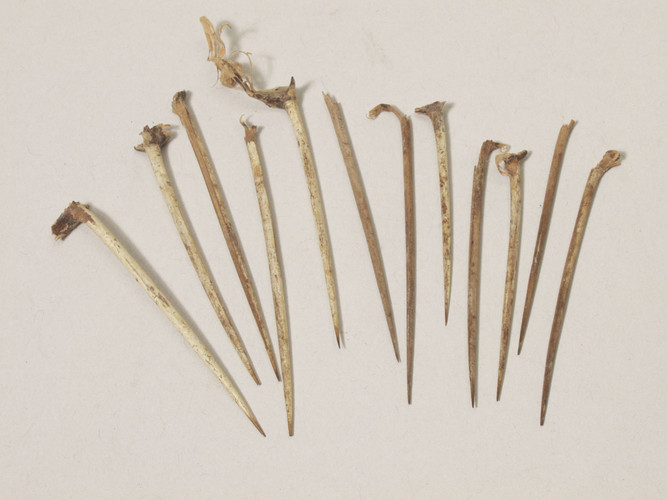 1915.9.37.112 acacia thorns, used as pins [RTS 24/8/2004].1915.9.37.1