
- Collection type
- Object
- Description
- Wooden double whistle bound with cedar bark. [CAK 04/06/2009]
- Long description
- Wooden double whistle bound with cedar bark. Carved from a single piece of wood, the flute is comprised of three sections that run the length of the flute and have been re-affixed with a resin(?) and bound with cedar bark in three places. The flute is narrowest at its mouthpiece and then widens towards its end. There are two windways extending from the mouthpieces, one of the top of the flute and one on the bottom. The windways do not extend the length of the flute; instead they end just after the labia. There are no finger holes. One labium has been carved on the top, and one on the bottom of the flute. Between the mouthpiece and labia, a strip of cedar bark has been wrapped around the flute five times, and below the labia thinner strips of cedar bind the flute in two places. A black substance is visible on the sides of the flute where the sections join together. [CAK 04/06/2009]
- Geographical reference
- British Columbia Haida Gwaii (Queen Charlotte Islands) NW Coast
- Cultural groups
- Haida
- Date / Period
- Date made: Before 1921
- Date collected
- By 1921
- Acquisition information
- Donated: 06/1921
- Materials and processes
- Material Cedar Wood Plant, Material Cedar Bark Fibre Plant, Process Carved, Process Bound, Process Glued, Process Split
- Dimensions
- Length: max 356 mm, Width: max 43 mm
- Object numbers
- Accession number: 1921.24.32
- Research and responses
The following information comes from Haida delegates who worked with the museum’s collection in September 2009 as part of the project “Haida Material Culture in British Museums: Generating New Forms of Knowledge”:
This whistle was viewed alongside other musical instruments on Thursday Sept 10, 2009. Delegates identified this as a flute used in ceremonies by secret societies. Vernon Williams commented that usually this kind of whistle needs to be soaked in water to allow the wood to swell before they will make a sound. Vern tried this whistle and produced a high-pitched sound. Today, glue is used to create a sealed airway, rather than soaking. It was suspected that the whistle would produce an even higher pitch if it were soaked. Christian White identified the wood as red cedar, with cedar bark used to bind the halves together. Christian noted that whistles of this kind only produce two notes. Diane Brown said that double whistles are not commonly seen. See also notes for 1921.24.31. [CAK 13/05/2010]
Search terms: Music, Ritual and Ceremonial, Musical Instrument, Flute, Ceremonial Object
Further items to explore
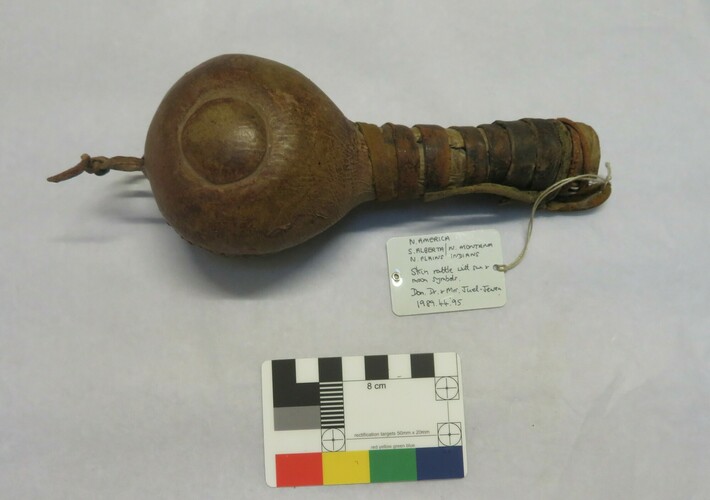 1989.44.95Skin vessel rattle enclosing small pebbles.1989.44.95
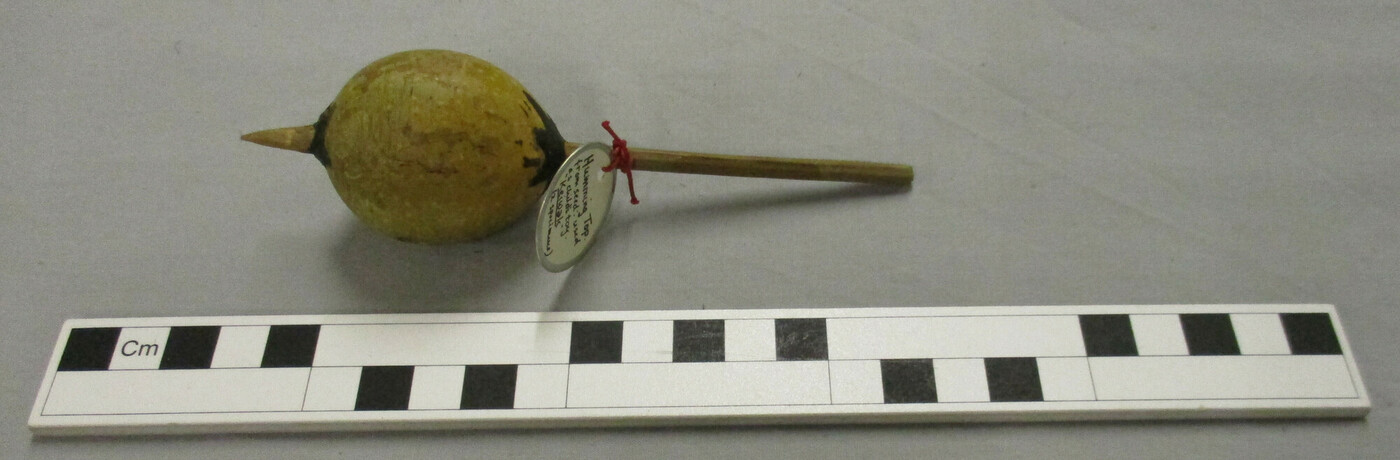 1958.3.7.1Humming tops made from a yellow hollowed out seed, which is then perforated with a wooden stick. Used by children as toys. The small holes made in the side makes the tops whistle as they spin. [ASh [OPS move] 02/06/2016]1958.3.7.1
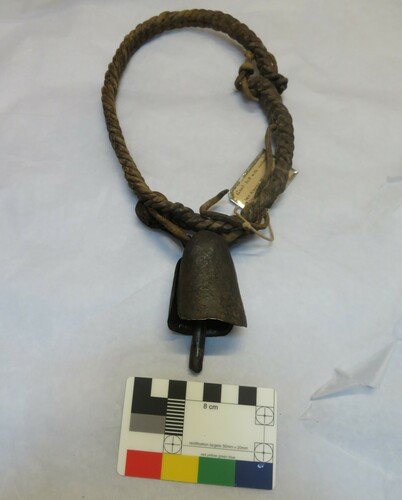 1905.6.7Goat bell on collar of plaited rawhide.1905.6.7
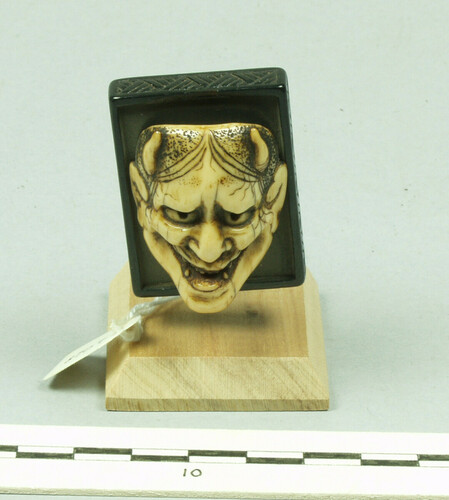 1980.34.2028Ebony and ivory netsuke of witch mask on tray. [El.B 'DCF 2004-2006 What's Upstairs?' 5/5/2005]1980.34.2028
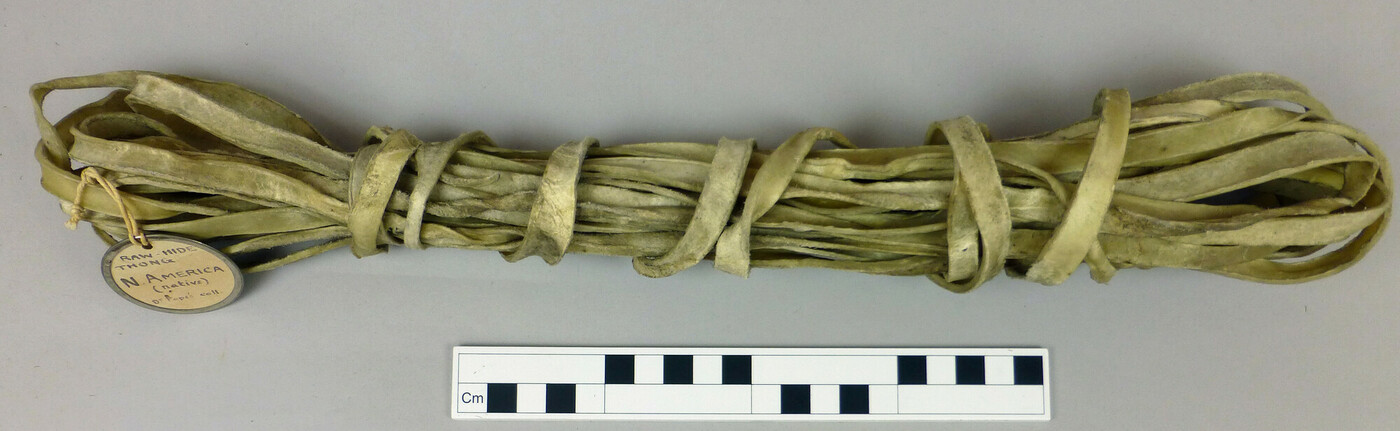 1886.21.11Hank of rawhide thong. [SM (Verve) 02/06/2014]1886.21.11
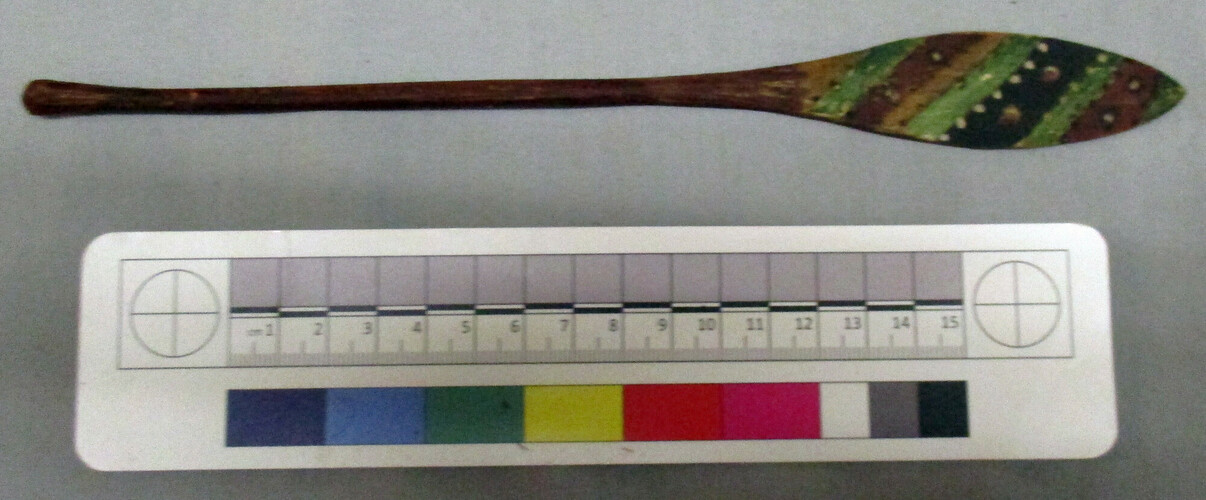 1884.54.8.9Toy paddle for the canoe 1884.54.8 .1. For the associated objects see 1884.54.8 .1 - .17 [ASh [OPS move] 23/09/2016]1884.54.8.9
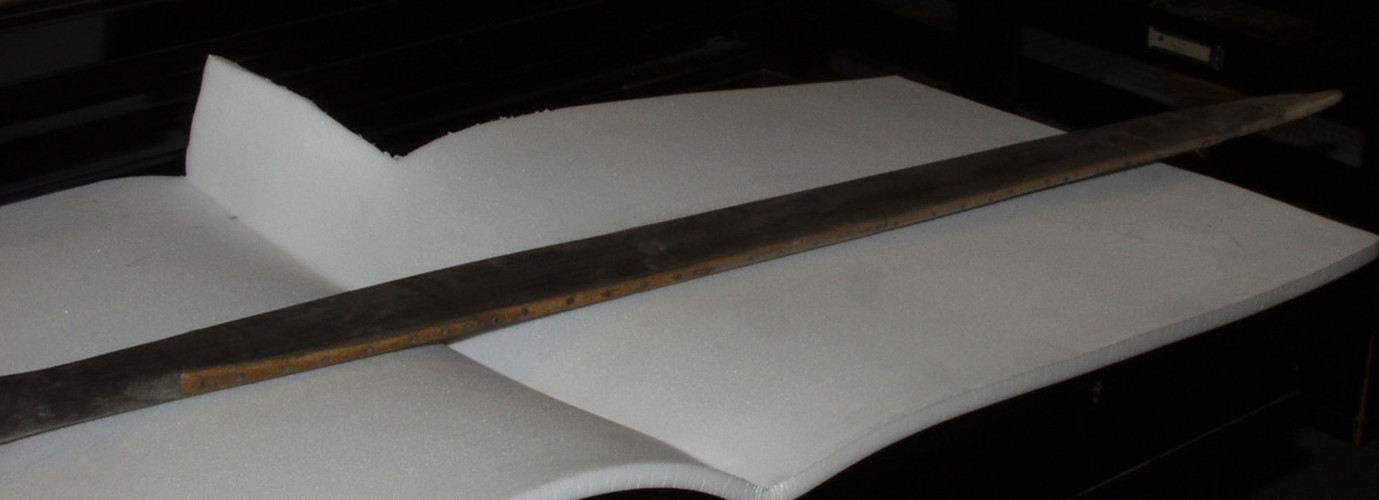 1886.1.790Paddle, double or two bladed for a canoe. Made from two pieces of drift wood joined and lashed together in the centre of the handle with a thong hide. [ASh [OPS move] 03/10/2016]1886.1.790
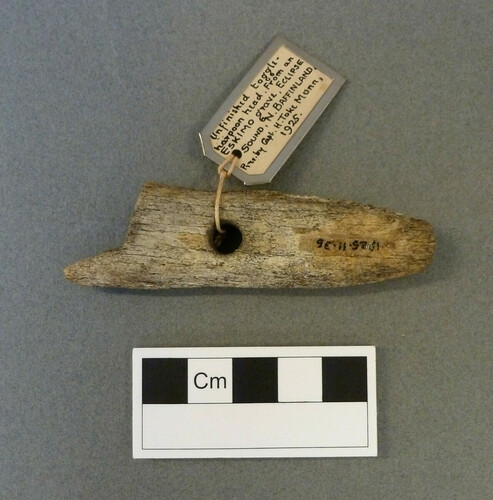 1925.11.36Bone harpoon-head toggle; from a grave1925.11.36