
- Collection type
- Object
- Description
- Transverse flute, ti-tzu, of bamboo with bone ends, 8 finger-holes, and membrane-covered buzzing hole between finger-holes and sound-hole. Narrow bands of thread lacquered black. 6 finger-holes two holes at rear and two at end for tuning.
- Geographical reference
- Date / Period
- Date made: Before 1908
- Date collected
- By 1908
- Acquisition information
- Bequeathed: 1939
- Materials and processes
- Material Bamboo Plant, Material Membrane, Material String, Material Lacquer Varnish, Process Perforated, Process Bound, Process Lacquered Varnished, Process Covered
- Dimensions
- Diameter: max 25 mm, Length: max 619 mm
- Object numbers
- Accession number: 1938.34.190 Other numbers: 10.277
- Associated publications
- This object features in the Museum's audio tour produced in 2010. Transcription as follows: “This is a flute from China known as a dizi. It looks like a fairly standard flute, played sideways and with 6 finger holes. However, you might notice that it has an extra hole between the mouth-hole and the first finger hole, next to the metal band. A fine membrane is placed over this hole and this vibrates with the blown air, adding a distinctive buzzing and nasal quality to the flute’s tone. This type of flute is very old, thought to have been developed several thousand years ago during the Han dynasty in China. The membrane is a very thin sliver of young bamboo and is traditionally glued into place with erjiao, a type of Chinese cough medicine made from the bone-marrow of donkeys. Since donkey bone-marrow may not always be available, sticky garlic juice can also be used. You’re about to hear the opening of a piece played on a dizi flute. GuSu Xing (The Song of GuSu) is a popular solo piece depicting a walk through the historical city of GuSu's famous gardens. This extract describes the garden in the stillness of the early morning light.” (Written by Isabell le Carré and Helen Hales) References • Jenkins, J. L., Musical Instruments, London: Horniman Museum (1977)
Search terms: Music, Musical Instrument, Flute
Further items to explore
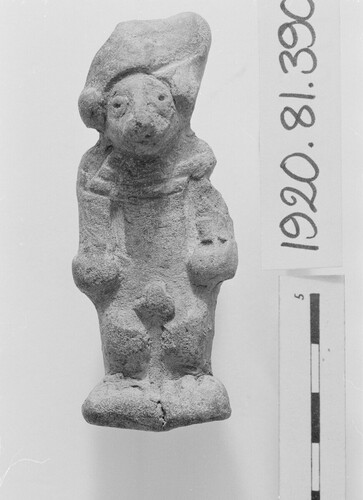 1920.81.390Ceramic whistle in form of man.1920.81.390
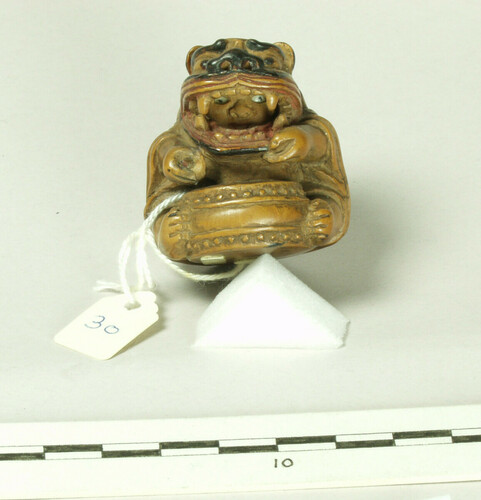 1980.34.30Netsuke toggle of child in Karashisni costume and mask.1980.34.30
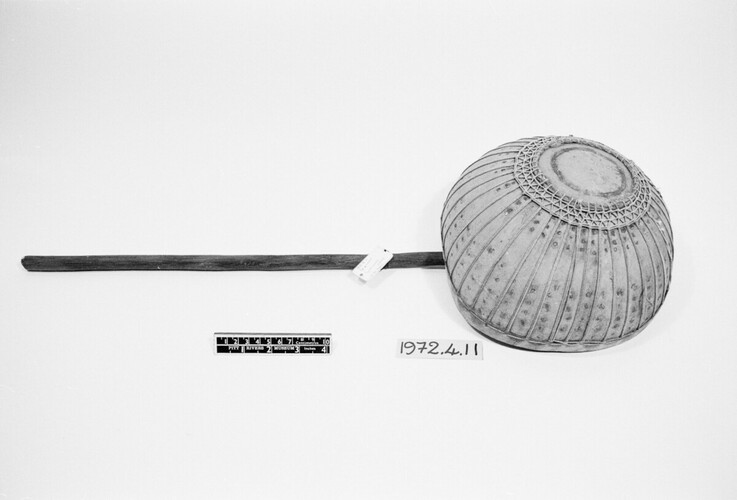 1972.4.11?Lute with gourd resonator decorated with blue pigment.1972.4.11
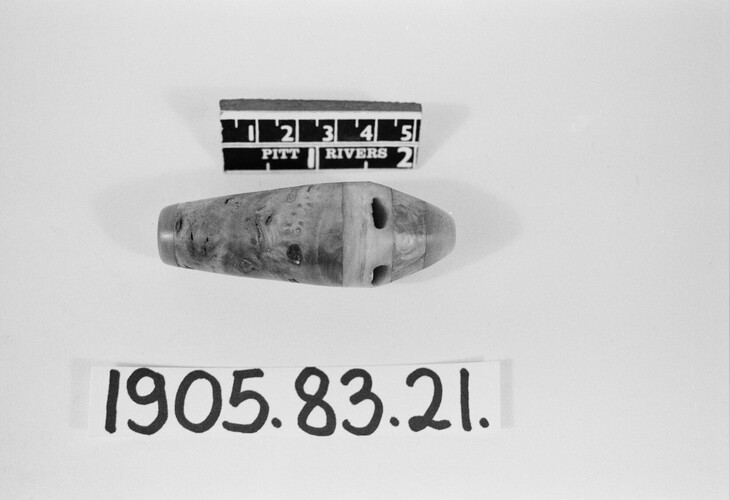 1905.83.21Whistling arrow of wood and horn. Head only, 5 holes round the circumference, one in the centre.1905.83.21
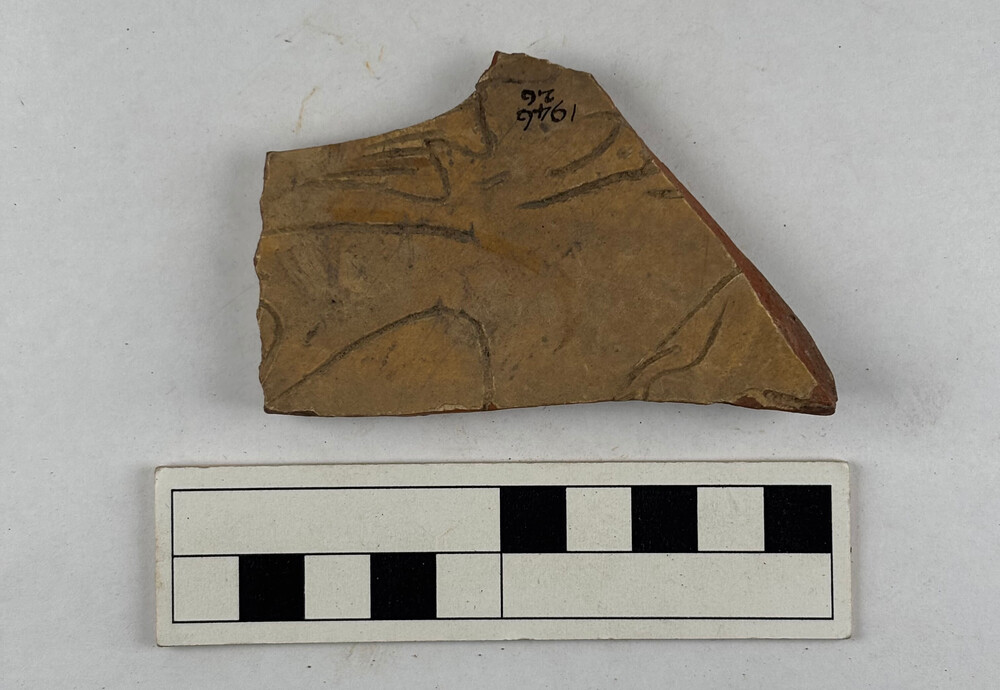 1956.10.42Sherd, reddish, with incised marks inside.1956.10.42
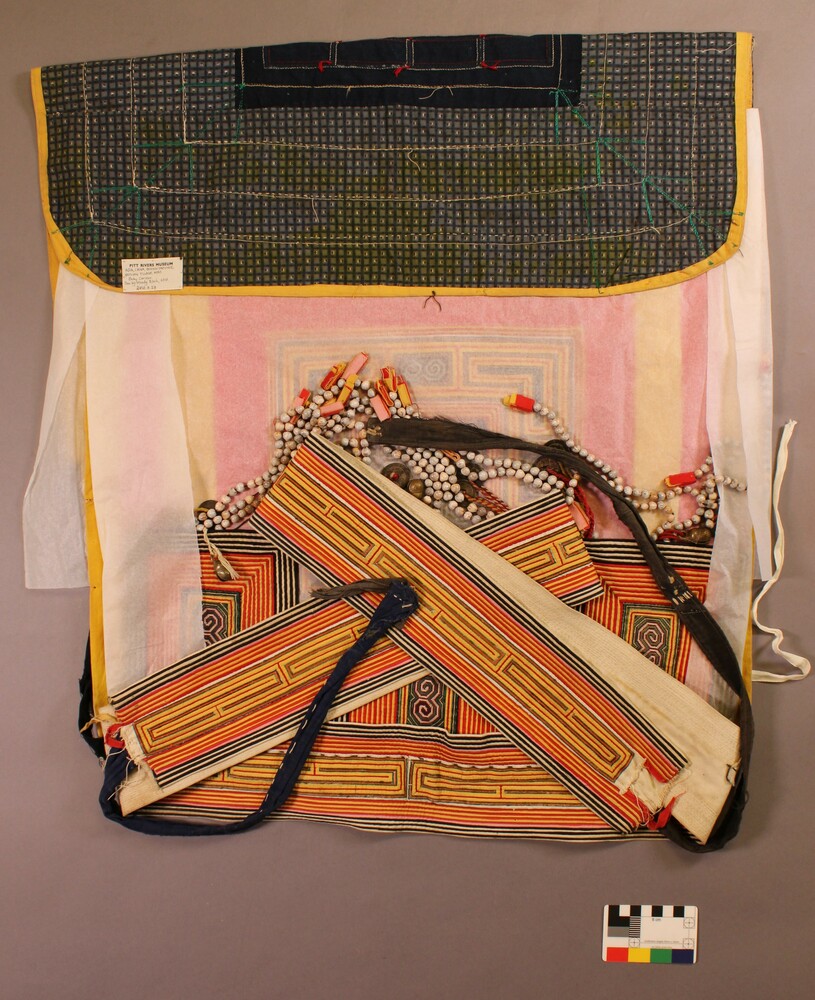 2010.3.20Baby carrier with four layers, jacob's seeds, bells and coins, cotton embroidery, woollen embroidery and batik. [FC 28/07/2010]2010.3.20
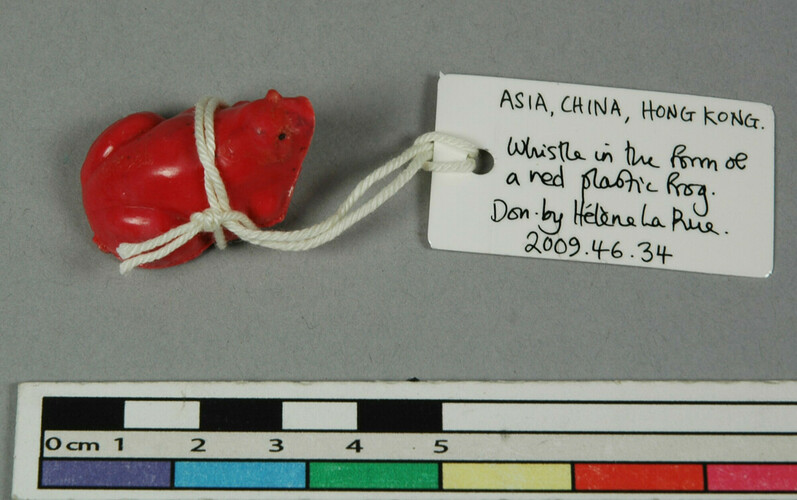 2009.46.34Red plastic whistle in the shape of frog. [FC 17/05/2010]2009.46.34
 1920.33.6Wooden whistling arrow with animal horn. [RR 10/1/2020]1920.33.6