
- Collection type
- Object
- Description
- Bark shoes
- Long description
- Description taken from Conservation Card by Pierette Simpson 08/01/1997 - Bark shoes - Child's slippers of plain plaiting weave with no fastenings. Spiral wound bark binding to opening, square heel. No markings on objects, shoes may not be from same pair, slight size difference or wear. (Pierette Simpson 08/01/1997) [LKG 16/04/2009]
- Cultural groups
- European Russian
- Date / Period
- Date made: Before 1909
- Date collected
- By 1909
- Acquisition information
- Purchased: 1909
- Materials and processes
- Material Bark Fibre Plant, Process Plaited
- Dimensions
- Length 150 mm
- Object numbers
- Accession number: 1909.74.41.1 Accession number: 1909.74.41.2
- Research and responses
According to S.P. and E. Dunn (in The Peasants of Central Russia (1967); Prospect Heights, Illinois: Waveland Press), men usually wore lapti for work, plaited bast shoes worn over onuchi (linen puttees), although such shoes were no longer made individually by each family, as they had been in the 1930s. Rather, they were made for each village by one or two specialists, usually elderly men. Lapti were replaced by high boots on dress occasions.
Similarly, R. E. F. Smith (in Peasant farming in Muscovy (1977); Cambridge: Cambridge University Press) states that footwear in many areas of Russia was frequently made of woven bast, although leather footwear was common in areas where livestock husbandry had become well developed. 3 - 4 young limes were cut for each pair of shoes, which lasted approximately one month. [CW 11 9 1997]
The Oxford University Herbaria suggests that these shoes could perhaps be made from ?Betula pubescens. [CW 6 10 1997]
Search terms: Clothing Footgear, Children and Childcare, Shoe
Further items to explore
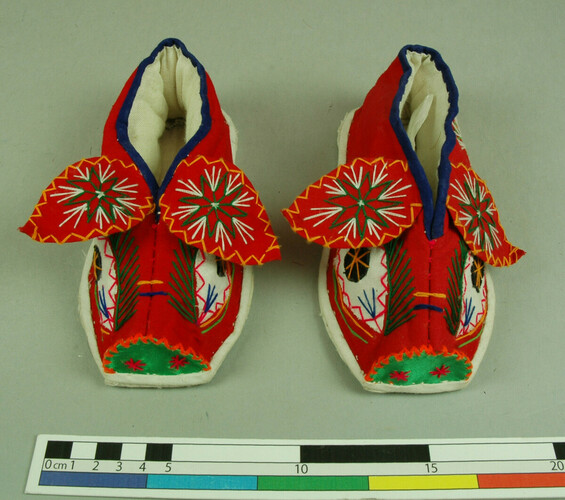 1991.30.18.1Pair of padded child's shoes, in red textile, with white soles, and white inner lining.1991.30.18.1
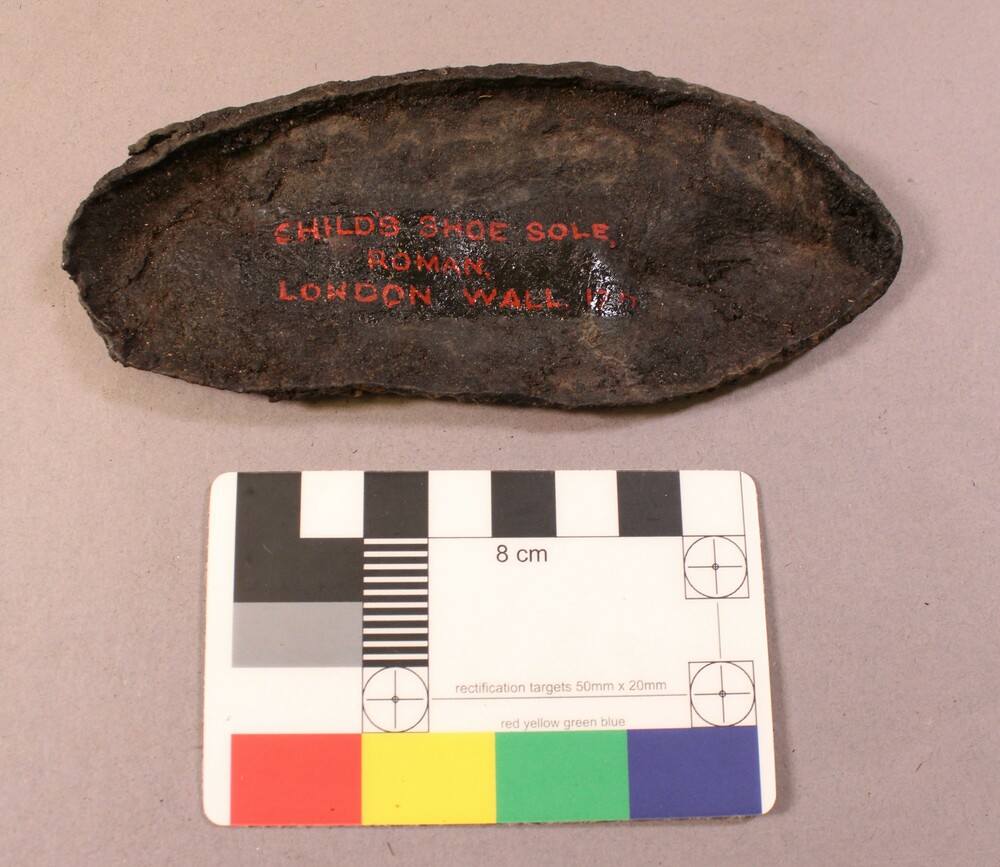 1884.92.39Leather shoe sole. [CG [Excav. PR] 11/11/2013]1884.92.39
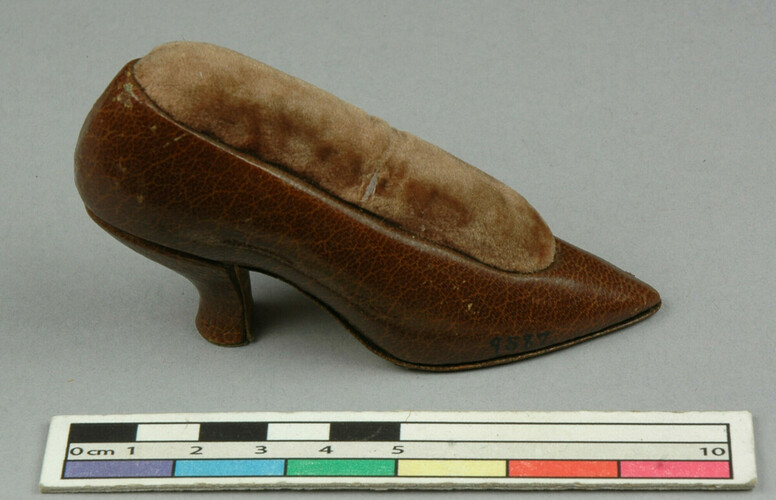 1985.51.132Miniature leather lady's shoe with velvet pin cushion in the opening of the shoe. [SM 20/01/2011]1985.51.132
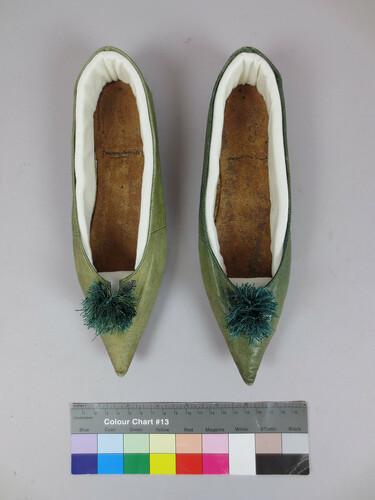 1886.1.145.1Lady's green leather shoes with pointed toe [.1-.2] [SM (Verve) 28/04/2014]1886.1.145.1
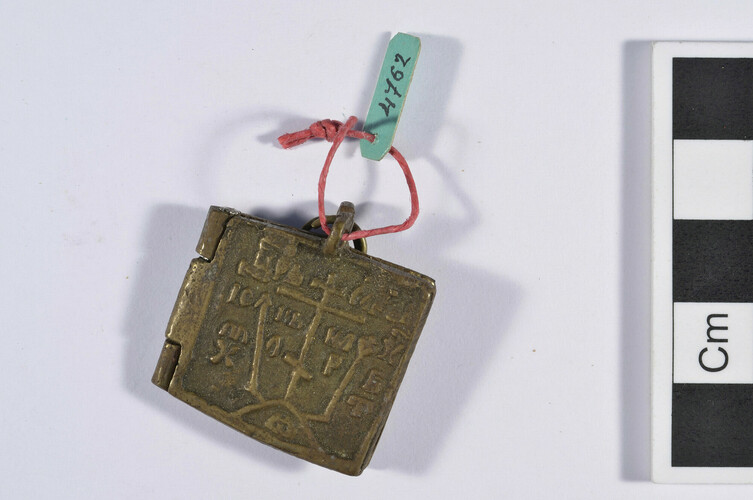 1985.52.2391Amulet, two bronze plaques, hinged, with religious pictures. [El.B 02/08/2012]1985.52.2391
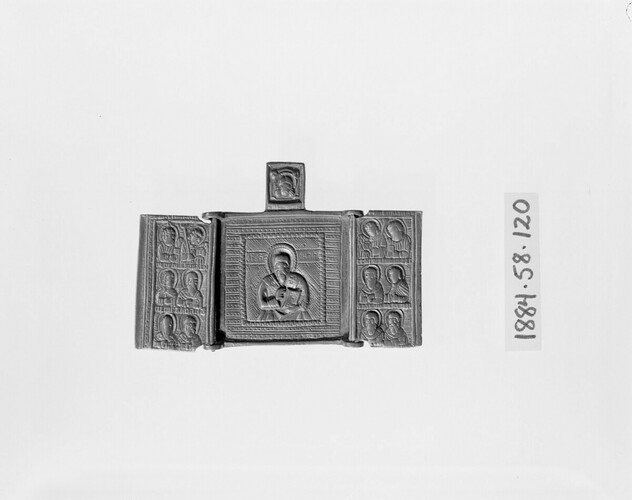 1884.58.120Religious object1884.58.120
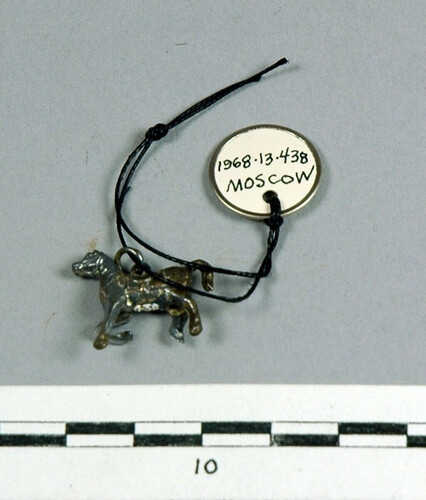 1968.13.438Amulet in the shape of a horse, made of silver. [El.B 24/10/2008]1968.13.438
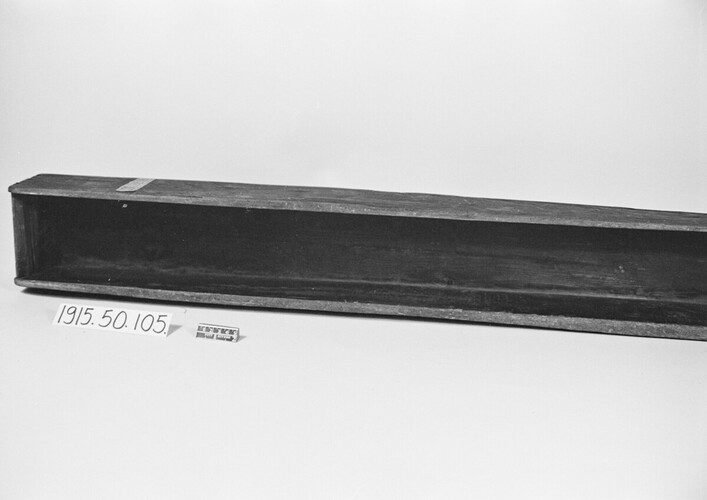 1915.50.1056 stringed zither, chatigan, with bridge consisting of reindeer knuckle bones. ?Knuckle bones found. Brass wire strings had perished and Mr H.F. Walters put on iron wire.1915.50.105