
- Collection type
- Object
- Description
- Ceramic vessel. Pottery bowl with straight sides and smaller foot with rolled rim. [MOBB [OPS move] 09/05/2016]
- Long description
- A complete wheel thrown, reduce fired fine grain ceramic vessel with a thin lip rim. Two small fractures run down one side of the vessel. [CG [Excav. PR] 11/02/2013]
- Geographical reference
- England West Sussex Adur Lancing
- Person
- Maker Unknown Maker
- Field collector James A.S. Medhurst
- PRM source Augustus Henry Lane Fox Pitt Rivers founding collection
- Date / Period
- Archaeological period: Iron Age, uncertain Archaeological period: Romano-British, uncertain
- Date collected
- By 1879 July 2
- Acquisition information
- Donated: 1884 Found unentered: 2004
- Dimensions
- Diameter: max 145 mm, Height: max 97 mm, Weight 518 g
- Object numbers
- Accession number: 1884.140.623 Other numbers: 2.7.79
- Research and responses
As part of Joshua Pollard's visit on 26/11/09 as part of the 'Fell Project' : 'characterizing the world archaeology collections of the Pitt Rivers Museum' he identified this as dating from the 1st century AD- Late Iron Age or Ealy Romano-British. [CB 26/11/09]
According to the English Heritage maintained National Monuments Record (NMR) this object may have been excavated by James Medhurst from an Iron Age shrine and Romano-Celtic temple located to the immediate north of Lancing at TQ 1782 0669. Pitt Rivers is known to have purchased material excavated by Medhurst from the Jordan Hill Romano-Celtic temple near Weymouth (74 of these objects form part of the Museum's founding collection) and consequently it seems possible that some of the Lancing material was also acquired via a similar route. The NMR record describes the Lancing shrine/temple as follows: "Romano Celtic temple near Lancing Ring was excavated in 1828 and 1829 by a Mr Medhurst. Near the Building were thirty five graves one of which evidently contained an overhanging rim urn. Curwen notes that coins suggest an occupation 1st to 3rd centuries, but Frere commented that although some IA 'A' sherds were found the main occupation belongs to Belgic times, and in particular to the Tiberian and Claudian periods. Little or no specifically Roman pottery had been recovered from the actual temple site though quantities of Ro sherds occur about 50 yds down the hill to the south possibly the excavation spoil heap...The existence of Bronze and I A Sepulchral pottery suggests the existence of a sacred site before the Roman period. Finds in Pitt Rivers Museum Oxford". The site is recorded under Monument Number 395386, the record can be accessed online at http://pastscape.english-heritage.org.uk/hob.aspx?hob_id=395386. [MN 11/01/2010]
- Associated publications
- Sotheby, Wilkinson and Hodge 1879. Catalogue of Antiquities and Works of Art including the collection of the Baron Heath...and the Musuem of Romano-British pottery and Roman personal ornaments formed by the late Mr James Medhurst of Worthing and Weymouth; comprising vessels in terra-cotta, bronze figures &c., cinerary urns, early Roman implements, beads, Roman coins...(1-2 July 1879). London: Dryden Press (Messrs Sotheby, Wilkinson and Hodge). I have placed a copy of this catalogue on file in the RDF for 1884.2.1 [Dan Hicks 19/07/2013]
Further items to explore
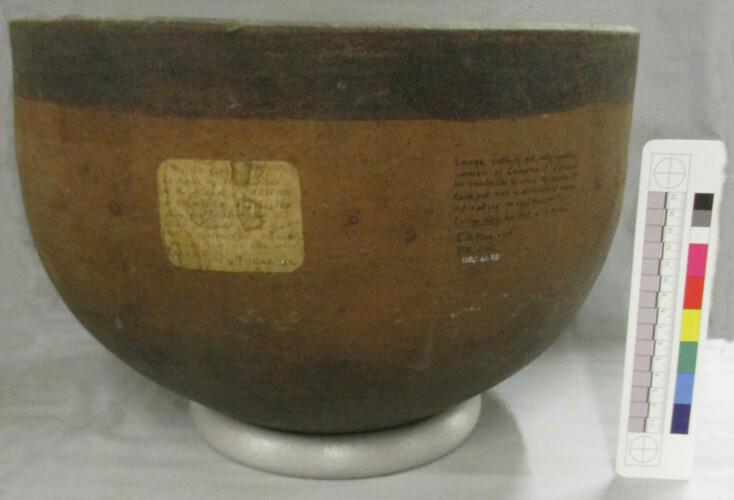 1884.41.55Red ware pottery vessel with a rounded base, high vertical sides and an open mouth. The rim is painted with a dark brown stripe. Unglazed. [ASh [OPS move] 21/04/2016]1884.41.55
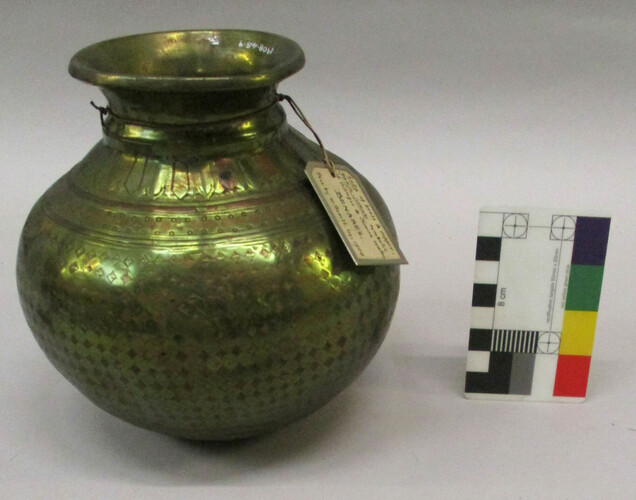 1908.48.9Gourd-shaped brass vessel inlaid with copper to form geometric designs. [ZM 25/2/2005]1908.48.9
 2018.66.1.2Neck of a carved stone bowl. See 2018.66.1 .1 for the body of this vessel. [MdeA 1/3/2018]2018.66.1.2
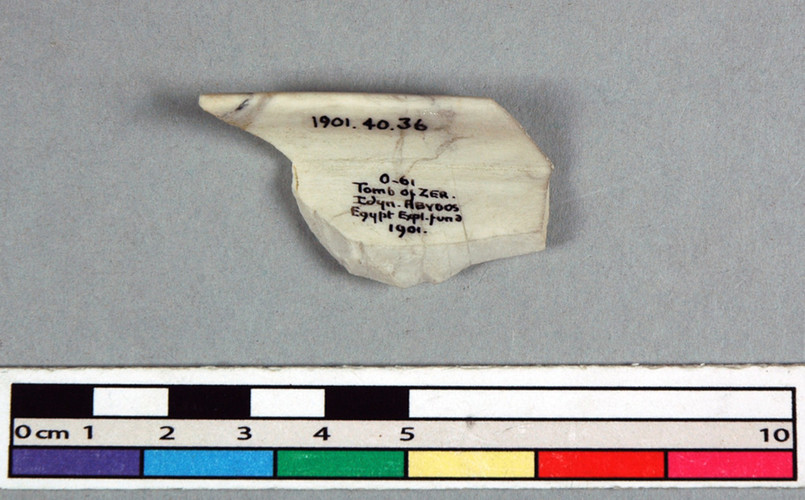 1901.40.36Fragment of polished ?marble stone vase, part of the rim of the vessel. [SM 08/07/2008]1901.40.36
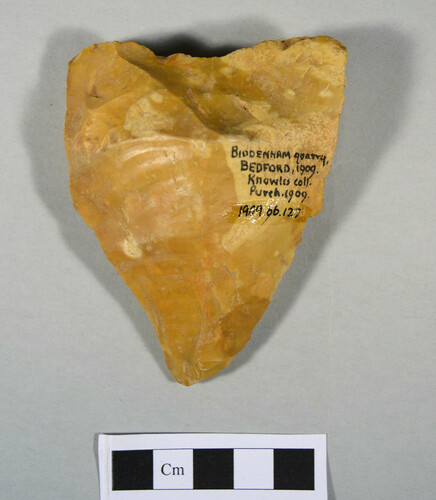 1909.66.127Stone tool, flake, with mid orange patina. [MJD 28/05/2013]1909.66.127
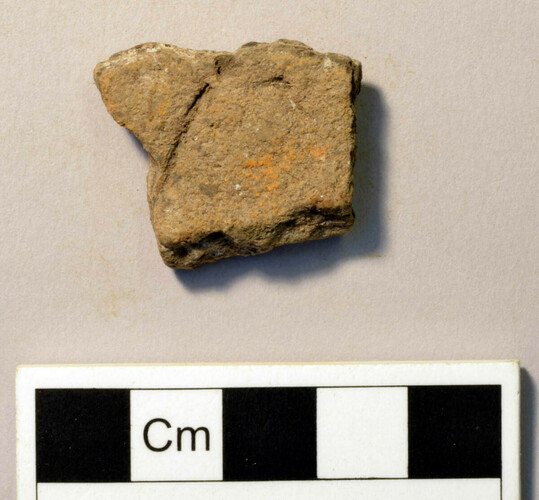 1884.137.170.120Ceramic sherd1884.137.170.120
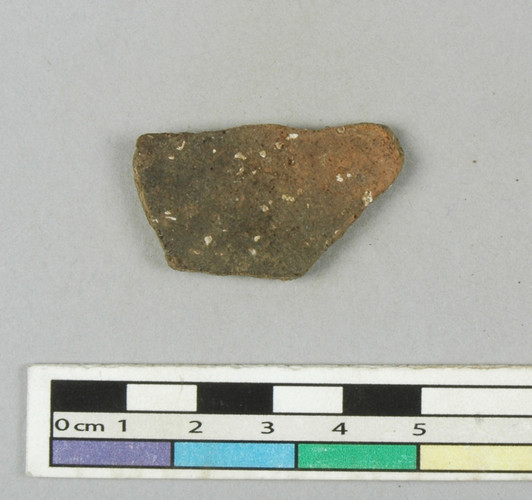 1884.138.10.12Ceramic sherd1884.138.10.12
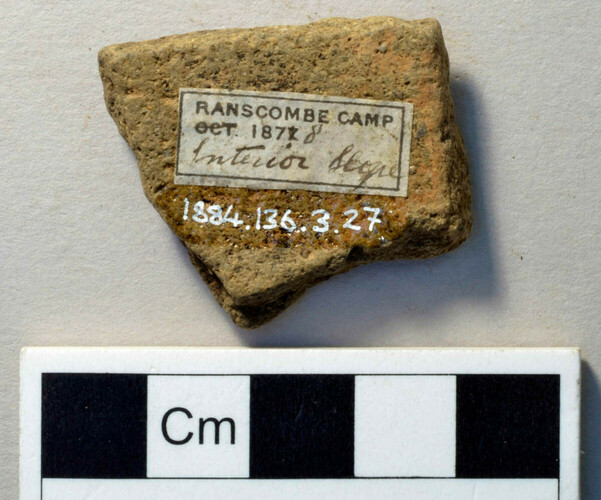 1884.136.3.27Ceramic sherd1884.136.3.27