
- Collection type
- Object
- Description
- Reed nose-flute, covered with burnt designs, closed both ends, sound hole each end, one finger hole. [FC 25/07/2011]
- Long description
- Reed nose-flute, covered with burnt designs, closed both ends, sound hole each end, one finger hole. The decoration on the flue consists of geometric designs, mostly triangular and circular. [FC 25/07/2011]
- Geographical reference
- Person
- Maker Unknown Maker
- Field collector Unknown Collector
- PRM source Augustus Henry Lane Fox Pitt Rivers founding collection
- Date / Period
- Date made: Possibly before 1881
- Date collected
- ?Prior to 1881
- Acquisition information
- Donated: 1884
- Materials and processes
- Material Reed Plant, Material Bamboo Plant, Process Decorated, Process Perforated, Process Burnt, Process Pyroengraved Pokerwork
- Dimensions
- Diameter: max 37 mm, Length: max 771 mm
- Object numbers
- Accession number: 1884.111.34 Other numbers: 130 E 7 PR no.: 96/ 12099
- Research and responses
Widely made and used in every region of the Pacific except Australia, nose flutes are played with the nose rather than the mouth. To do so, the musician generally holds one nostril shut with the thumb or a finger and sounds the flute by blowing into a small hole drilled near the top of the instrument with the other. Nose flutes are almost universally made from bamboo and, like other small bamboo flutes, are typically used in informal settings. In Fiji nose flutes were played by both sexes to provide soothing music when at rest or during courting. The melodies, composed of from two to four notes, were quiet and plaintive, providing a relaxing interlude or softly enticing a current or prospective lover. [FC 26/07/2011]
This object was examined by Steven Hooper (UEA) during a research visit in December 2011. He made the following comments: This was possibly made by a Solomon Islander living in Fiji, so there is a mixture of styles. A three-holed flute is not typically Fijian, but the design looks Fijian. [El.B 13/12/2011]
Search terms: Music, Musical Instrument, Flute
Further items to explore
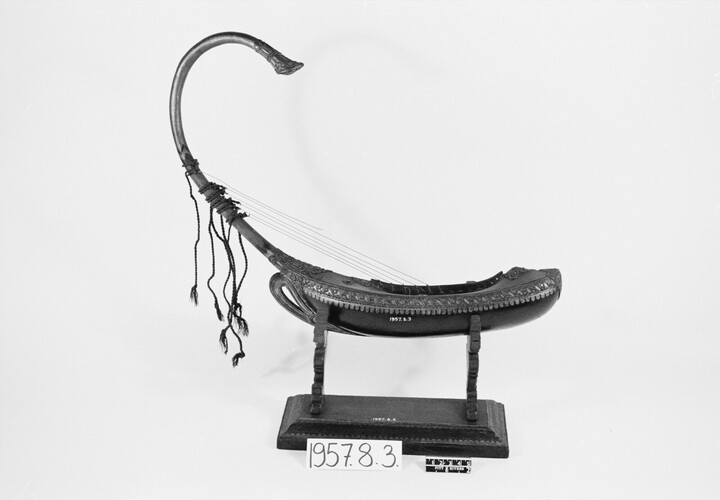 1957.8.3.1Model of a harp [.1], saung. Body and neck of wood. Resonator, hide of parchment covered, with 4 small circular sound-holes. 6 twisted gut strings. Coloured black and gold. Ornamental stand of wood [.2] painted red, black and gold.1957.8.3.1
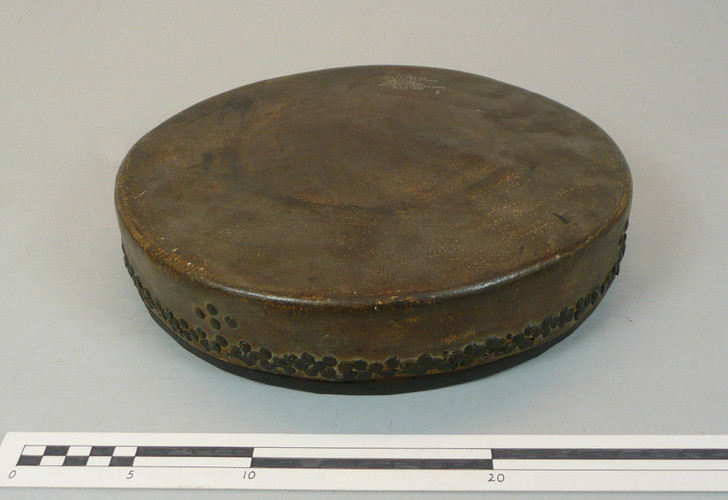 1899.74.25.10Deep small circular single membrane drum. [FC 9/9/2008]1899.74.25.10
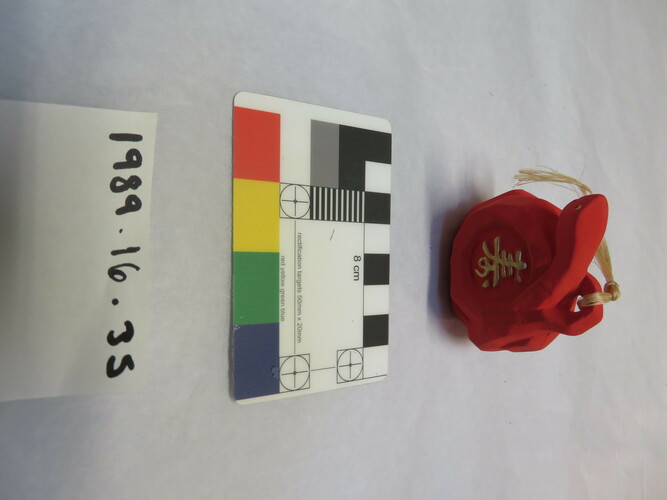 1989.16.35Plaster snake, one of two one white one red, with gold-painted characters in relief, made as pellet bells for New Year.1989.16.35
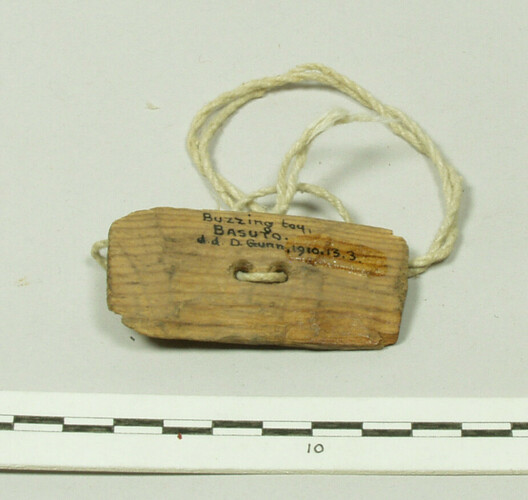 1910.13.3Buzzing toy. Wooden plaque and string attached through two holes in centre. [HLR]1910.13.3
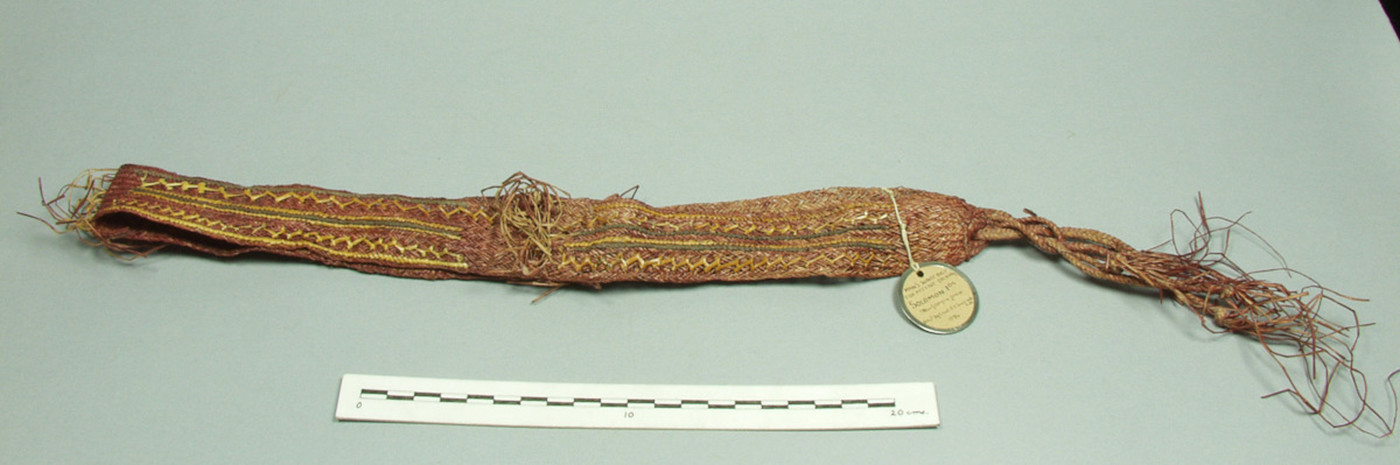 1894.26.25Belt of plaited grass, red with yellow and brown decorations. [El.B 'DCF 2004-2006 What's Upstairs?' 9/5/2005]1894.26.25
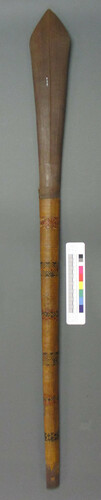 1920.100.168Spatulate club with shaft covered with finely woven matting in red and black zigzag and chevron designs. The blade has a central ridge and is pointed at the end. [MOBB [OPS move] 05/09/2016]1920.100.168
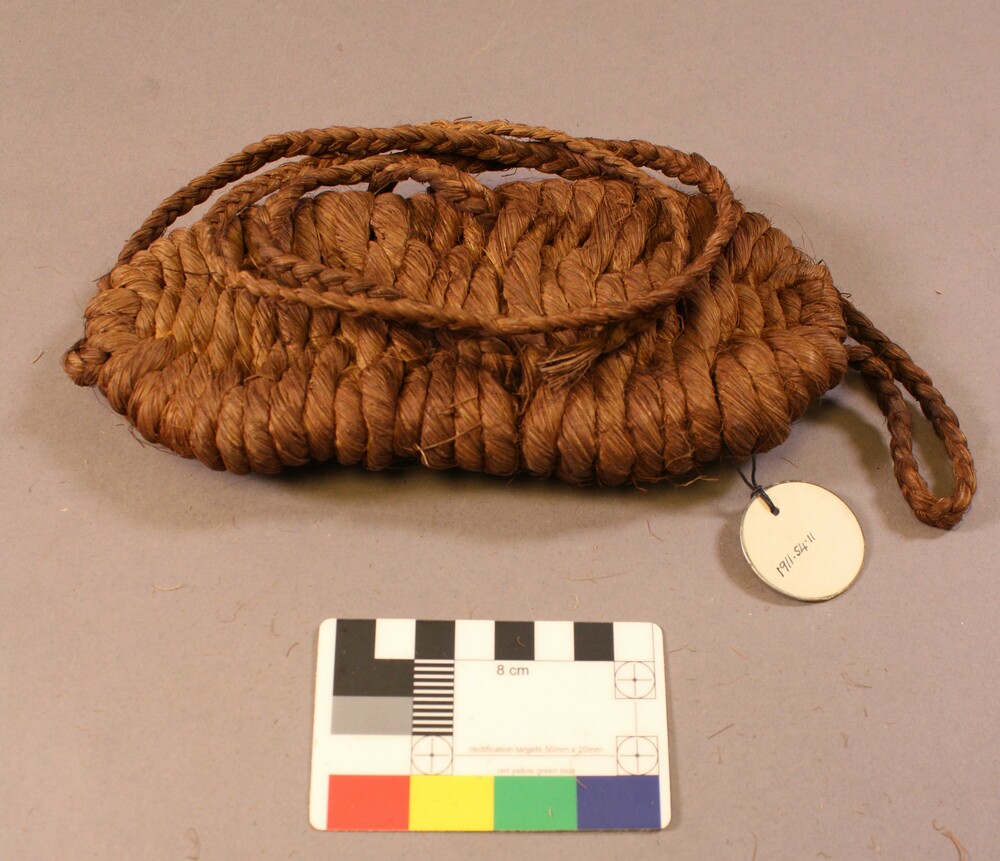 1911.54.11Sandal plaited plant fibre1911.54.11
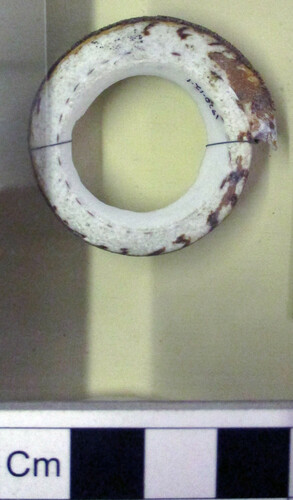 1920.12.1Partly finished ring of cone shell. Shaped by the borer 1920.12.2 [El.B 'DCF 2004-2006 What's Upstairs?' 21/2/2005]1920.12.1