
- Collection type
- Object
- Description
- Warrior's ivory armlet. [El.B 'DCF 2004-2006 What's Upstairs?' 19/10/2005]
- Long description
- Warrior's ivory armlet. [El.B 'DCF 2004-2006 What's Upstairs?' 19/10/2005] An armlet which is not just worn by warriors but by men in general. Made by men for men, worn above the elbow. The material is hard heel, hoof of an elephant? Heel,bone? Now it would be made of plastic and decorated with beads. [ThW [Living Cultures Project] 17/3/2021]
- Geographical reference
- Cultural groups
- Maasai
- Person
- Field collector William Ernest Taylor
- Field collector Church Missionary Society
- PRM source Catherine Taylor
- Date / Period
- Date made: Before 1890
- Date collected
- 1882 - 1890
- Acquisition information
- Purchased: 1927
- Materials and processes
- Material Animal Bone, Material Animal Hoof, Process Carved
- Dimensions
- Diameter: max 105 mm
- Object numbers
- Accession number: 1927.84.60
- Research and responses
'An armlet which is not just worn by warriors but by men in general. Made by men for men, worn above the elbow. The material is hard heel, hoof of an elephant? Heel,bone? Now it would be made of plastic and decorated with beads.' The information used to describe this object has been reviewed through a process of consultation with Maasai representatives and community elders as part of The Maasai Living Cultures Project. Living Cultures started in 2017 and is a partnership between Maasai representatives from Tanzania and Kenya, the Pitt Rivers Museum and InsightShare, an Oxford-based NGO. The project is working to represent the history and narratives behind artefacts held in museum collections. Over the course of three years (2017, 2018, 2020) Maasai delegates have visited the museum to discuss how their culture is represented and how the Museum speaks about Maasai communities in its displays, databases, and education programmes. [ThW [Living Cultures Project] 16/3/2021]
Search terms: Ornament, Status, Arm Ornament
Further items to explore
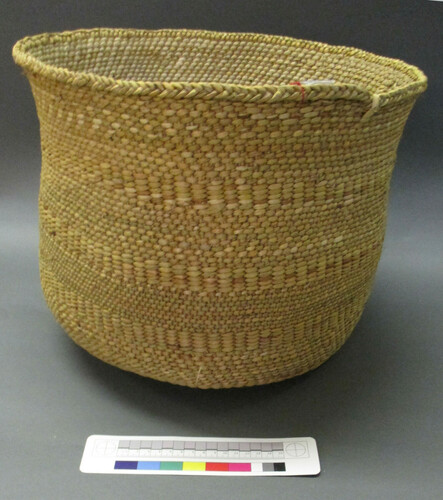 1963.11.47Globular shaped twill woven basket with expanded rim. [CW [OPS Move] 30/11/2016]1963.11.47
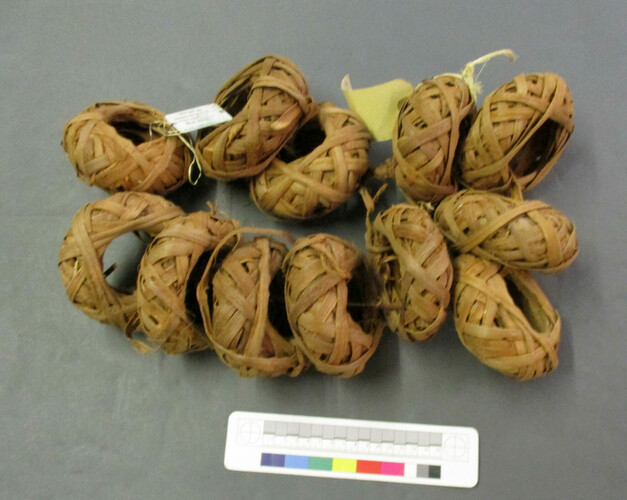 1971.34.4412 Balls of bark string threaded together to a length of bark string. [FB 2/2/2017]1971.34.44
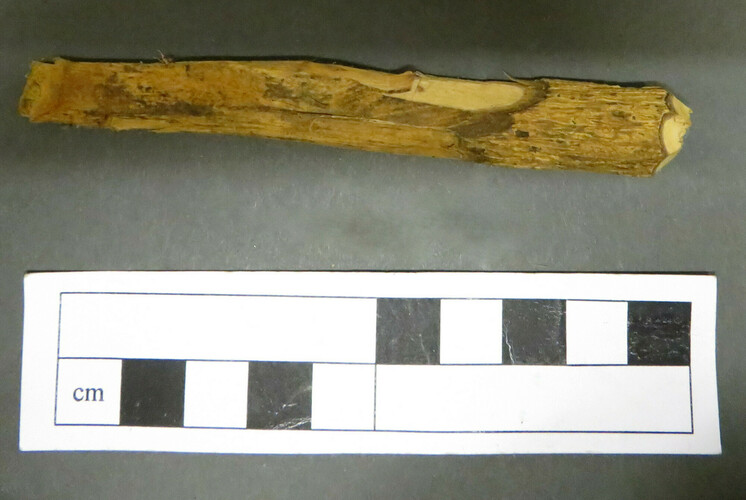 1958.11.70.60Wood fragment. [ASh [OPS move] 3/5/2017]1958.11.70.60
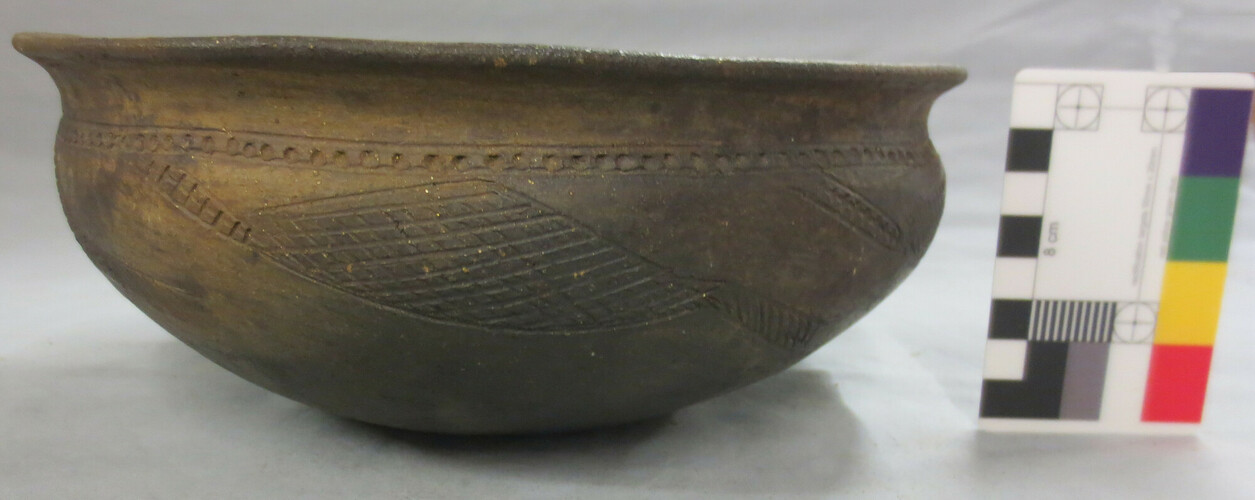 1971.34.104Blackened pottery bowl with outflaring lip. Decorated with incised band of chevrons, infilled. Used for cooking meat relishes. [ASh [OPS move] 29/01/2016]1971.34.104