
- Collection type
- Object
- Description
- Carved ivory female and male figure set in a landscape of rocks, trees, waves.
- Geographical reference
- Date / Period
- Date made: Before 1841
- Date collected
- circa 1841
- Acquisition information
- Donated: 1944
- Materials and processes
- Material Elephant Tooth Ivory Animal, Process Carved
- Dimensions
- Height: max 95 mm
- Object numbers
- Accession number: 1944.9.46
- Research and responses
Mrs W.D. Sturrock undoubtedly refers to Mary Macpherson, wife of William Duncan Sturrock (1880 - 1942) See biographies database for further details [L.Ph 26/3/2004]
This object was examined in September 2019 by Catherine de Guise, Beyond the Binary community curator, as part of the Beyond the Binary project which ran from 2018 to 2020. The following response was recorded: “The bodhisattva that originated in India around the eleventh century, as Avalokitesvara, came to be reinterpreted in China and Japan from the twelfth century. Avalokitesvara was originally depicted as a man, so is often seen wearing chest-revealing clothes and possibly even a moustache. In China, Guanyin is usually perceived as a woman, though there are many signs of masculinity and some people have seen her as a genderless being. In more modern times she has increasingly been represented as a woman, possibly due to more interaction with ‘Western’ ideas of gender and ‘Marian influences’ from Christian iconography. Western observers found it difficult to understand the ambiguity in her gender presentation, as seen in the museum’s original nineteenth century captions. The bodhisattva shows how different cultures could interpret a figure; the possibilities of representation outside of the binary; and the way in which a European interpretation appropriated and forced Guanyin within a ‘Western’ binary” [OS 17/02/2020]
Search terms: Figure, Religion, Fish Figure
Further items to explore
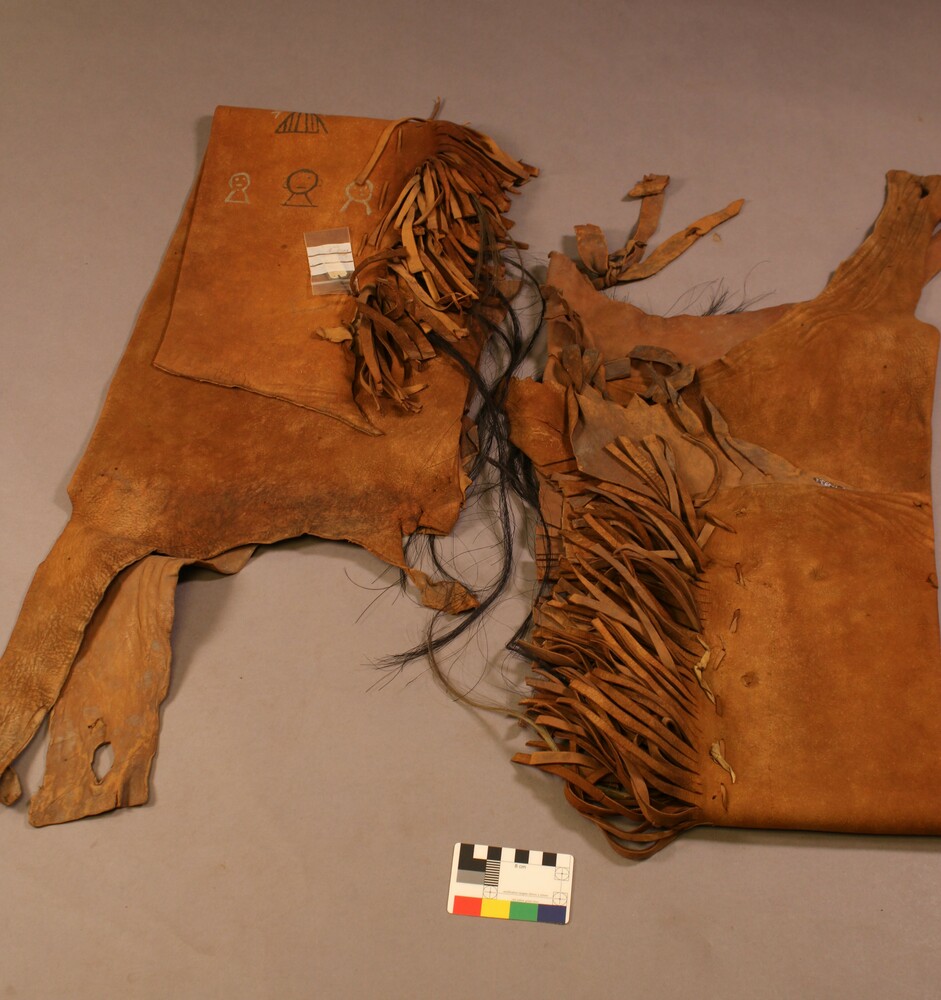 1884.88.3.1A pair of leather leggings, fringed on the outer edge: design of head and eagles in front1884.88.3.1
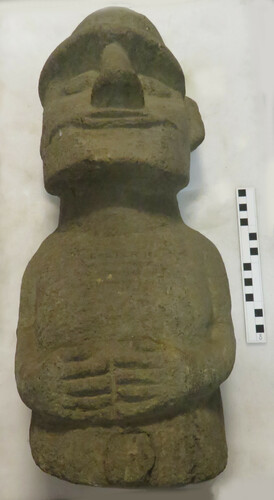 1916.36.330Carved stone human figure. With a head and torso. Hands are placed just above the navel. The nose and brow are accentuated. [AB [OPS move] 7/12/2017]1916.36.330
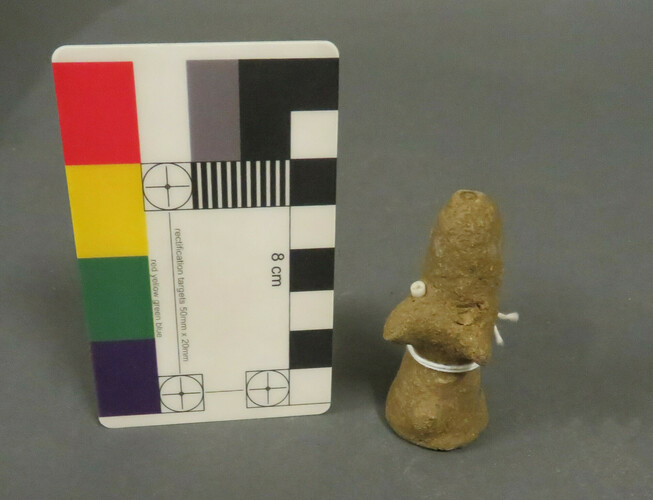 1958.11.2.375Clay Mkaramo figure. Cylindrical figure, with flared, circular base. Perforated white bead embedded near the head, above two pointed protrusions, representing breasts. Impression on the top of head, possibly from an additional missing bead. A rounded protrusion near the base representing the navel. [IL [OPS Move] 18/5/2017]1958.11.2.375
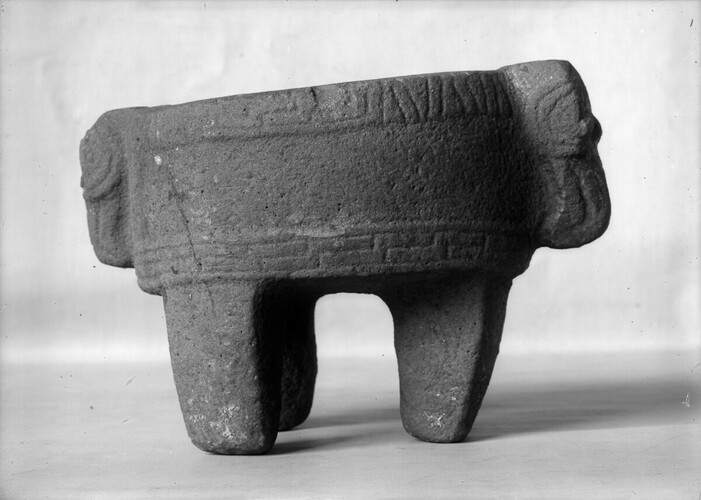 1884.63.60Moskito Coast stone vase. Thick circular vessel on three legs. There are elephant-like carved heads on either side of the vessel. Just below the top rim and just above the bottom edge are bands of carved geometric patterning. [MOBB [OPS move] 12/1/2017]1884.63.60
 1944.9.77.17One piece [of 26 pieces] of orange silk longpao, dragon robe embroidered in gold with dragons, clouds, sea waves and Buddhist mountain of Omei.1944.9.77.17
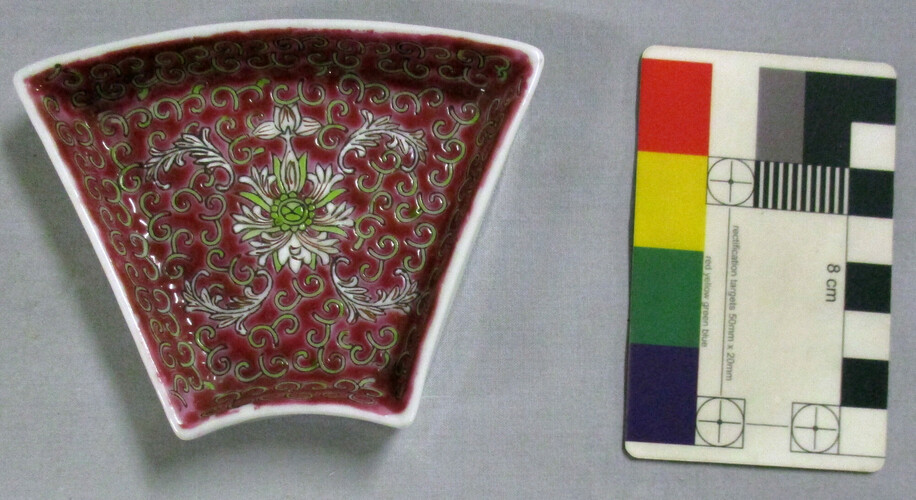 1970.24.11.61 of 9 curved dishes. Part of a set consisting of nine porcelain dishes. [ASh [OPS move] 21/04/2016]1970.24.11.6
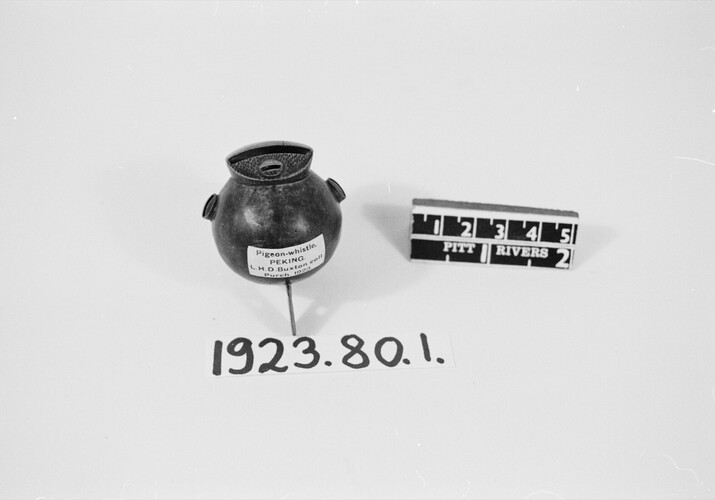 1923.80.1Pigeon whistle.1923.80.1
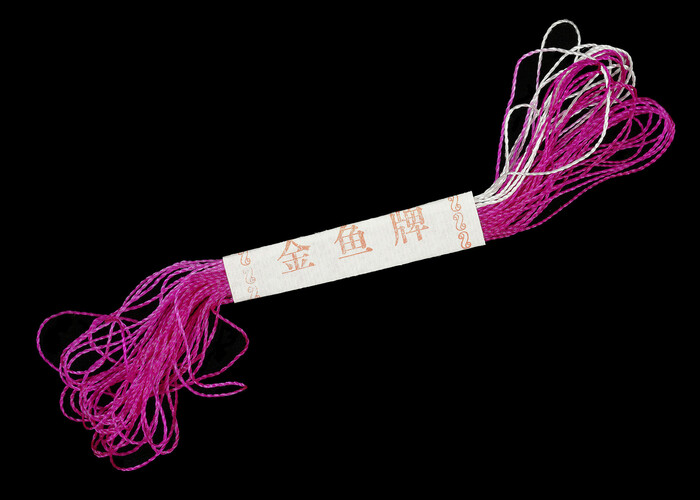 2009.135.143Bright pink and white embroidery thread. [FB 24/07/2012]2009.135.143