
- Collection type
- Object
- Description
- Petticoat
- Geographical reference
- England Essex
- Cultural groups
- English
- Date / Period
- Date made: 1800-1900
- Date collected
- By 1948
- Acquisition information
- Donated: 1948
- Materials and processes
- Material Silk Textile Animal, Material Muslin Textile, Process Woven
- Dimensions
- Length 1626 mm back, Diameter 4420 mm hem, Length 1069 mm front
- Object numbers
- Accession number: 1949.9.110
- Research and responses
OED online: Taffeta: A. n. a. A name applied at different times to different fabrics. In early times apparently a plain-wove glossy silk (of any colour); in more recent times, a light thin silk or union stuff of decided brightness or lustre. In the 16th c. mention is also made of ‘linen taffety’. In recent times the name has been misapplied to various mixtures of silk and wool, and even cotton and jute, thin fine woollen material, etc.
http://en.wikipedia.org/wiki/Taffeta: Taffeta (sometimes spelled taffety) is a crisp, smooth woven fabric made from silk or synthetic fibers. The word is Persian in origin, and means "twisted woven". It is considered to be a "high end" fabric, suitable for use in ball gowns, wedding dresses and in interiors for curtains or wallcovering. There are two distinct types of silk taffeta: yarn-dyed and piece-dyed. Piece-dyed taffeta is often used in linings and is quite soft. Yarn-dyed taffeta is much stiffer and is often used in evening dresses. Whilst Silk Taffeta has been classically woven in Italy and France and until the 1950s in Japan, today most silk Taffeta is produced in India. Originally this was produced on handlooms, but since the 1990s has been produced on the most modern looms in the Bangalore area. From the 1970s until the 1990s the Jiangsu province of China produced some fine Silk Taffetas. Unfortunately they were less flexible than the Indian mills who now dominate production. Other countries in South East Asia and the Middle East are weaving Silk Taffeta but not yet either at the quality or competiveness of India. The most deluxe Taffetas are still woven in France, Italy and the United Kingdom. [AP 26/09/2006]
OED online: Muslin: 1. a. Any of various lightweight cotton fabrics in a plain weave. Also: a piece of such fabric; a dress or other article of clothing made of muslin.
http://en.wikipedia.org/wiki/MuslinMuslin is a type of finely-woven cotton fabric, introduced to Europe from the Middle East in the 17th century. The first recorded use in England was in 1670. It was named for the city where it was first introduced to them, Mosul in what is now Iraq, but the fabric originated from Dhaka in what is now Bangladesh. [1]
Muslin is most typically a closely woven unbleached or white cloth, produced from corded cotton yarn. "Sheeting" is the name for wide muslin. It is often used to make dresses or curtains but may also be used to complement foam for bench padding. In clothing, muslin breathes well, and is a good choice for hot, dry climates.
The word "muslin" is also used colloquially. In the United Kingdom, many sheer cotton fabrics are called muslin, while in the United States, muslin sometimes refers to a firm cloth for everyday use. In British slang, muslin used to refer to women or femininity, while in nautical slang, muslin can refer to a vessel's sails. [AP 26/09/2006]
Search terms: Clothing Underwear, Petticoat
Further items to explore
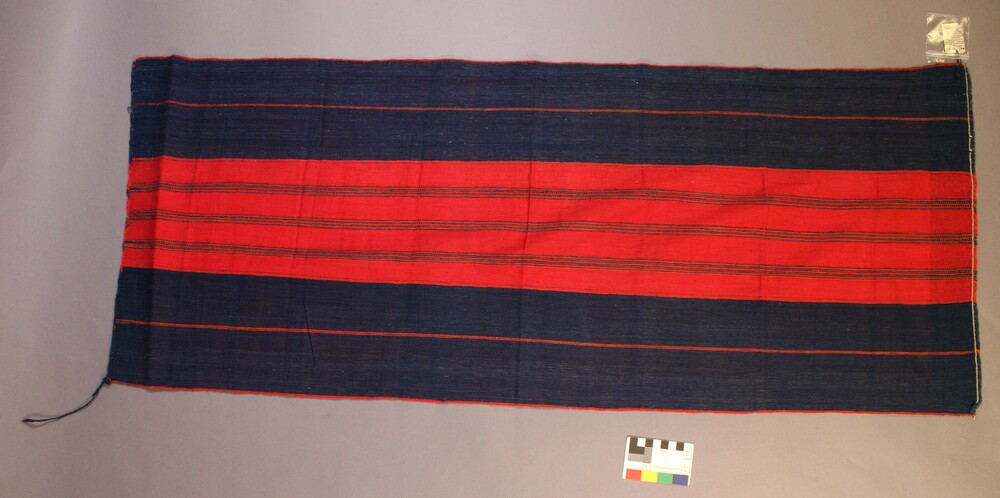 1931.87.204Woman's petticoat1931.87.204
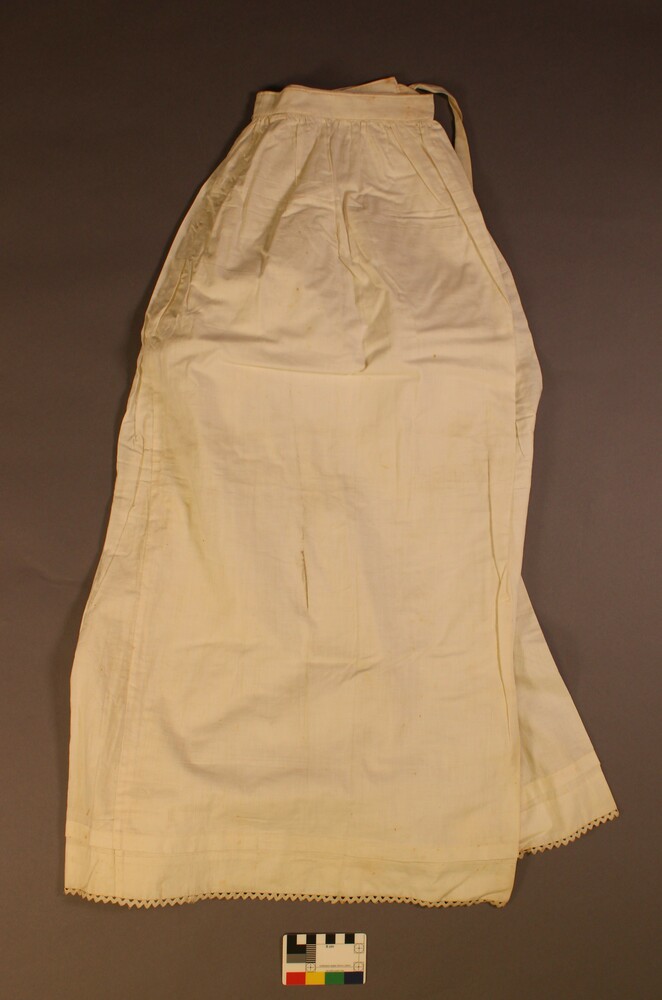 1951.11.71.3White cotton petticoat.1951.11.71.3
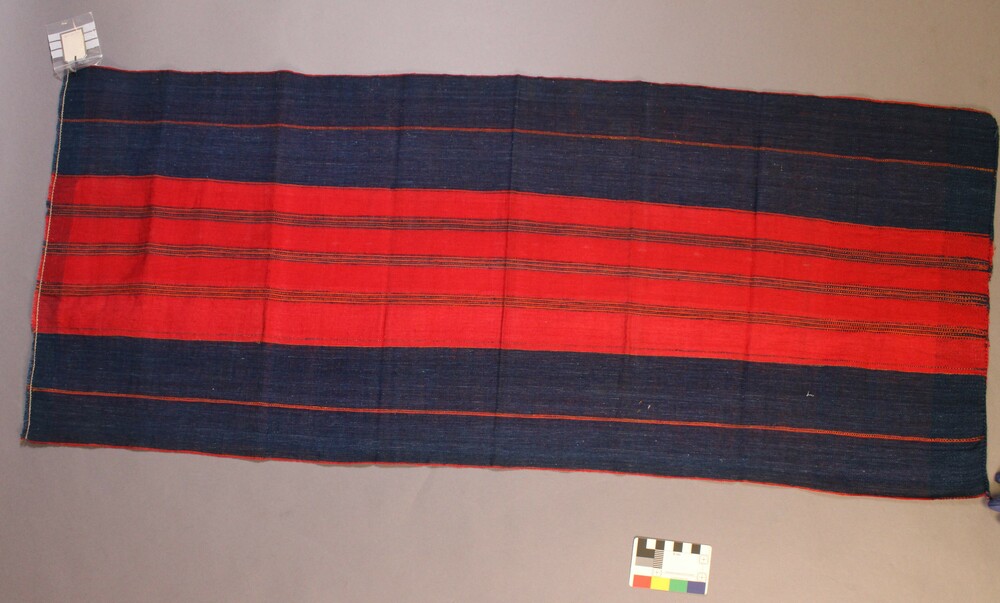 1931.87.205Woman's petticoat1931.87.205
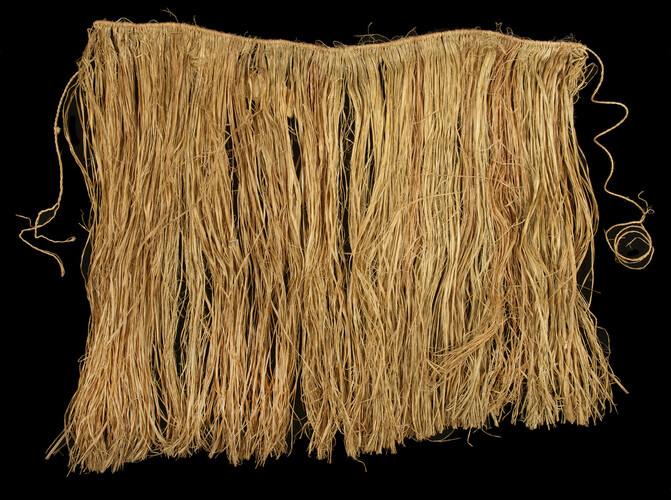 1886.1.1179Plant fibre skirt made from bundles of fibre tied to a waistband. [FB 06/11/2014; JC 14 3 2015]1886.1.1179
 1895.25.12.28Metal sewing pin, part of a lace bobbin winder. See [1895.25.12 .1 - .29] for the other components of this object. [BS [OPS Move] 22/5/2017]1895.25.12.28
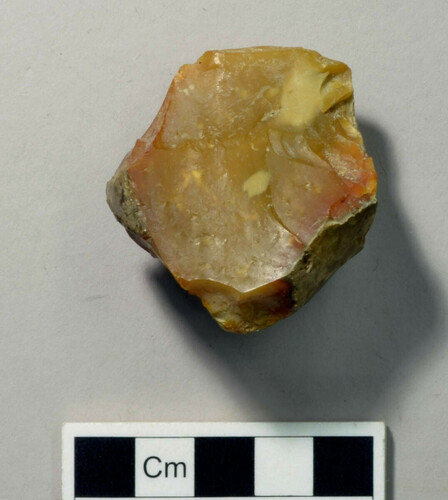 1884.123.489Stone core1884.123.489
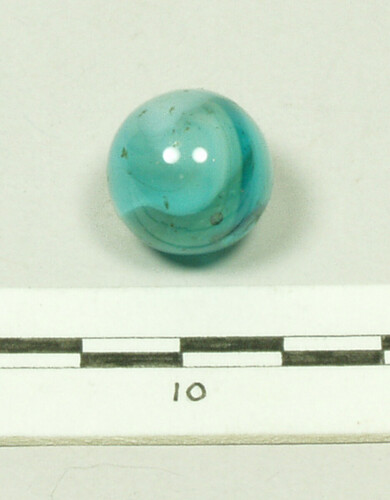 1956.11.29.6White and turquoise transparent glass marble. [N.B. 'DCF 2004-2006 What's Upstairs?' 17/3/2005]1956.11.29.6
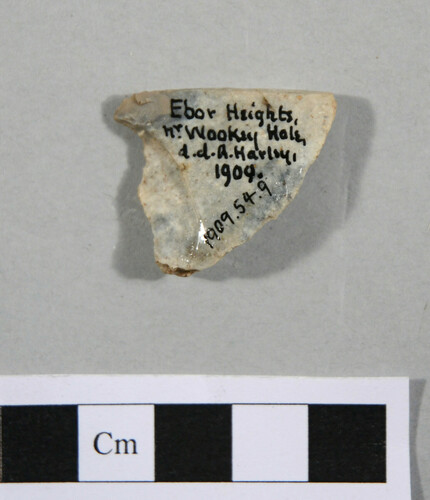 1909.54.9Flint implement1909.54.9