
- Collection type
- Object
- Description
- Small silver knife [.1] and sheath [.2]. The handle and the sheath are decorated with silver filigree, coloured enamel and red ?glass made to look like coral. [El.B 23/4/2007]
- Geographical reference
- Date / Period
- Date made: Before 1907
- Date collected
- Before 1907
- Acquisition information
- Purchased: 1907
- Materials and processes
- Material Silver Metal, Material Enamel, Material Glass, Process Forged (Metal), Process Decorated, Process Filigree
- Dimensions
- Length: max 72 mm [.2], Length: max 105 mm [.1]
- Object numbers
- Accession number: 1907.80.15.1 Accession number: 1907.80.15.2
- Research and responses
The following notes are drawn from research compiled by Andy Mills as part of the DCF Cutting Edge Project 2006-2007. This beautiful little knife is manufactured in repoussé silverwork, to follow the form of a decorative cloud-scroll. This is overlaid with flowers rendered in polychrome enamel and coral cabochons.
Traditionally, these small, relatively-concealed knives known as jang do were presented to young women before their weddings by their parents, in order to provide them with a means by which to prevent rape (Korean Knife Gallery Website; www.skynews.co.kr/skynews_main/ENGLISH/TOURISM/tourism_032.htm
). The carrying of highly ornamental knives by both men and women became popular during the Choson period.
They are considered to be one of the highest manifestations of Korean metalworking, and Object 12 is certainly a very fine example of mixed media silverwork, featuring lapidary and cloisonné enamel. Examples exist with hilts in wood, oxbone, coral, gold and silver. The blades themselves are tempered and annealed, and highly functional.
Conventionally, men wore such knives slung from the belt, while women wore their jang do hung from a woven silk strap at the front of their clothing, or carried them in their personal bag. Jang do usually also comprise a silk tassel, which can be knotted in elaborate ways (Korean Traditional Crafts Website; www.indiana.edu/~easc/resources/korea_slides/crafts/4-1.htm). [SM 17/06/2008]
- Associated publications
- Illustrated in colour (PRM0001462775194, but reversed) as Figure 92 on page 121 of Korean Treasures: Rare Books, Manuscripts and Artefacts in the Bodleian Libraries and Museums of Oxford University, by Minh Chung (Oxford: Bodleian Library, 2011). Also discussed on pages 121-122. [JC 9 10 2019]
Further items to explore
 1945.8.10.3Thin green glass bangle. [El.B 'DCF 2004-2006 What's Upstairs?' 11/11/2005]1945.8.10.3
 1971.15.1298.5Copper bead. [LKG 14/07/2009]1971.15.1298.5
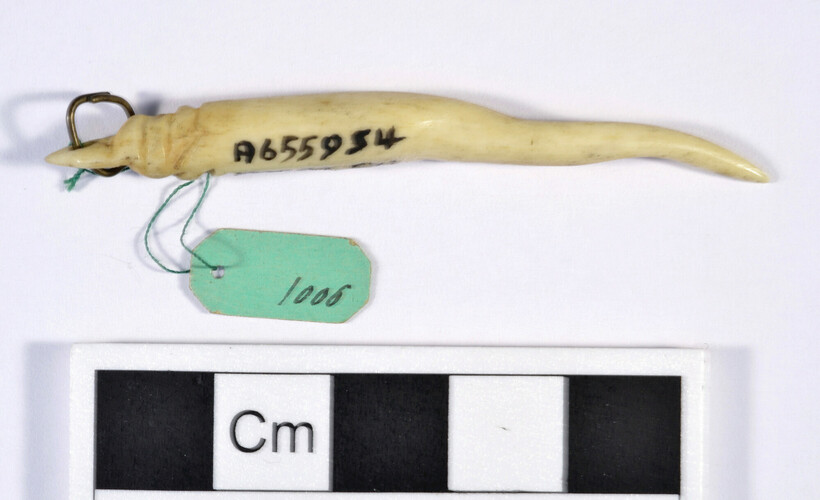 1985.52.531Amulet, pendant in the shape of a horn, carved, incised, and perforated bone, with a metal loop for suspension. [ACA 20/03/2012]1985.52.531
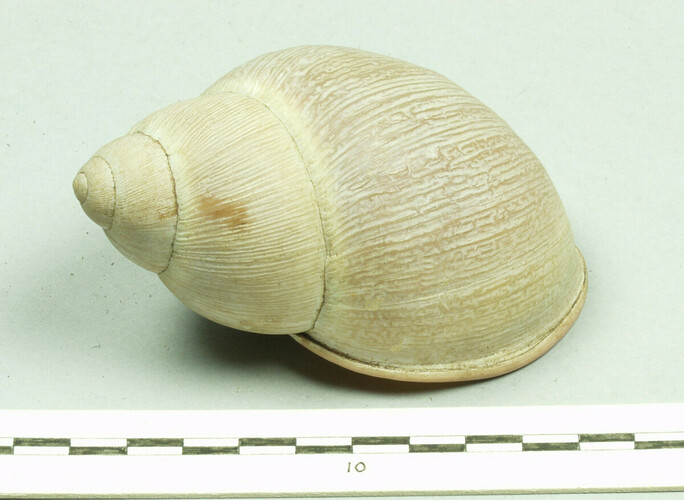 1941.8.243.11Porphyrobaphe shell, used as a scraper or ornament. [N.B. 'DCF 2004-2006 What's Upstairs?' 20/6/2005]1941.8.243.11
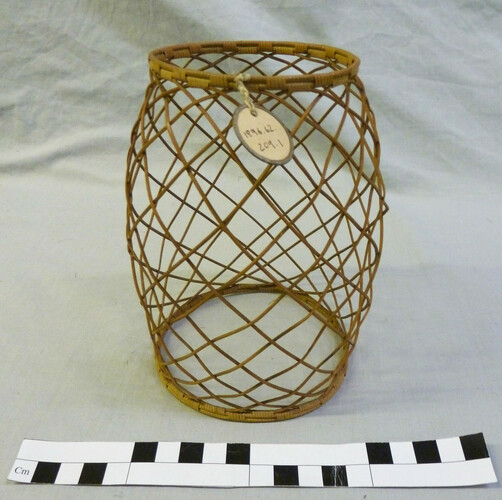 1896.62.209.1Cane cuff frame. The frame has round openings at the top and bottom made by binding two strips of cane together with cane woven between them. [FB 12/02/2015]1896.62.209.1
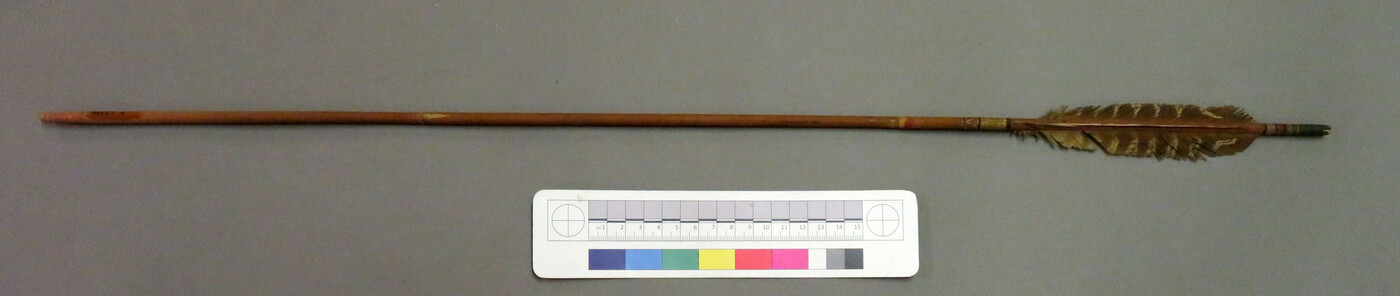 1959.3.2.18Model arrow. Found inside quiver [1959.3.2 .4] See [1959.3.2 .1 - .32] for the associated components of this object. [BS [OPS move] 18/9/2017]1959.3.2.18
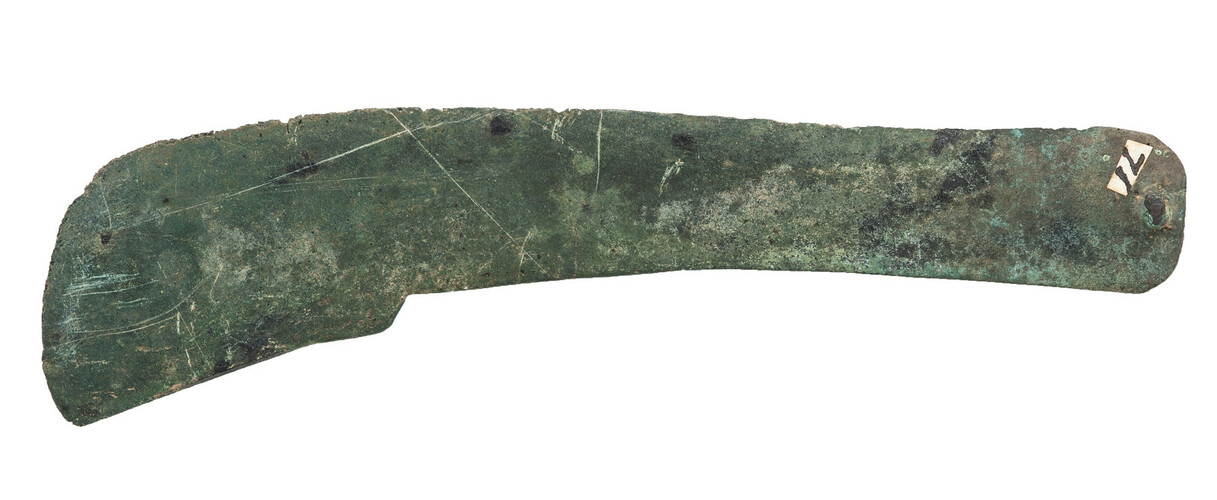 1946.8.111Bronze blade. [El.B DDF Body Arts Project 2010/2011 24/08/2010]1946.8.111
 1901.14.4.3Arrow. See [1901.14.4 .1 - .2] for the quiver with lid and [1901.14.4 .4 - .6] for the associated arrows. [BS [OPS move] 15/9/2017]1901.14.4.3